What is a Womb Transplant and How Can It Help Women to Conceive?

Around 1 in 5,000 women across the world are born without a womb (a condition known as MRKH syndrome), making it impossible for them to have children.
Around 15,000 women of childbearing age, in the UK alone, have no womb and many more have no viable womb. For many, this is due to having to have a hysterectomy, as a result of cervical cancer, often either before they have had children or completed their family.
For both of these groups of women, their only option for having a child would be surrogacy or a womb transplant.
What is a womb transplant?
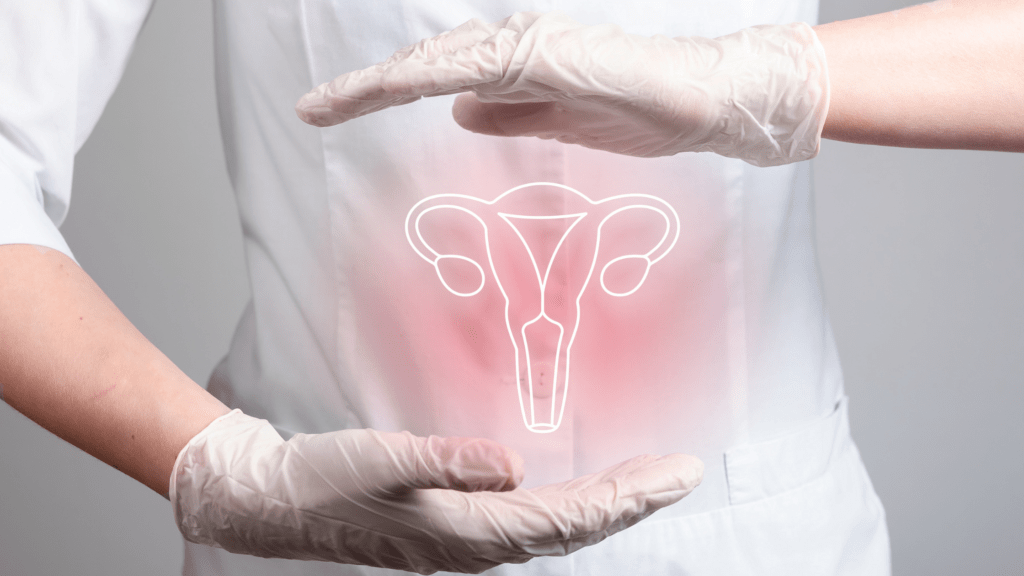
A womb transplant (also called a uterus transplant) involves the removal of a womb from a living woman so that it can be implanted into a woman of childbearing age, to enable them to be able to conceive. Womb transplants have been successful in allowing women who would otherwise be unable to conceive to give birth to their own healthy babies.
What does the process of a womb transplant involve?
The womb and the cervix are removed from the donor female and implanted into the recipient female. In order for the womb to become functioning, the surgeons will then need to attach the muscles, tendons, arteries and veins. The retrieval process takes 2-3 hours and the implantation process around 6 hours.
Are there risks involved with womb transplants?
As with any other surgical operation, womb transplants carry a risk to the donor and to the recipient. As success in the field of womb transplants is still very new, statistical analysis is based on a small number of cases. Before opting for any major surgery, it is very wise to be fully aware of risks, including potential risks to life or health, any side effects of medication and risks to any unborn child. Where surgery is for a non-life-threatening condition, it’s very important to ascertain whether the potential benefits outweigh the risks.
When was the first successful womb transplant?
The first baby born as a result of a successful womb transplant operation was in 2014.

How available are womb transplants and what is the cost in the UK?
Womb transplants are still very rare compared with other methods of treating infertility, and the process still requires lots more research, but for women hoping to be able to give birth to their own baby, rather than having a surrogate, it provides a potential option.
The cost of a womb transplant through the NHS is likely to be over £50,000.
How can women get involved in the research programme in the UK?
Involvement in the research programme for womb transplants in the UK, requires meeting strict criteria, including being within a certain age range and never having conceived a child before.
More information about womb transplants and the research behind them can be found at https://wombtransplantuk.org
Is it possible to go overseas for a womb transplant operation?
Overseas clinicsare performing womb...
Login to continue reading
This content is for members only, to read the full article log in to your account.
Forgotten your password? Reset your password here.
Join us today
If you don’t have a membership yet, visit our Join us page.
Would you like your employer to pay for this?
For an obligation free chat to discuss how employer membership to The IFVN would work for your business, please contact us using this enquiry form.
Further reading
-
Female Basal Body Temperature Tracking for Fertility: What Your BBT Chart Can Tell You and How Tempdrop Makes It Easier

-
Female ROI and Absenteeism: The Business Case for Investing in Reproductive Health and Employee Benefits

-
Female Supporting Fertility Challenges at Work: Reducing Workplace Stress

-
Workplace International Women’s Day: The Hidden Impact of Reproductive Health on Working Women

-
Reproductive health Endometriosis and Infertility Treatment: Does IVF Affect Success Rates?

-
Female Early Signs of Endometriosis in Young Women: What to Look For

-
Female Hysteroscopy IVF Fertility Test: What it is & What to Expect
Become a member
Our membership plans are designed to suit your needs.
Feel empowered by your fertility journey today!