Surrogacy


Surrogacy is a way that people who cannot carry a pregnancy themselves can still be the biological parent or parents of a child. Surrogacy is an option for a single person, an LGBT+ couple or a heterosexual couple who cannot conceive naturally or through IUI or IVF.
What is surrogacy?
Surrogacy is when a woman carries and gives birth to a baby for another couple or person. It provides an alternative option for those trying to start a family who cannot carry their own child. Traditional surrogacy uses the surrogate's egg with the father or donor's sperm and uses IUI techniques.
What is gestational surrogacy?
Gestational surrogacy is when the surrogate is not genetically related to the baby she is carrying. The egg provided is either from an egg donor or an intended parent. The egg is fertilised using IVF techniques. The sperm of the father or donor sperm is then used. Many people prefer to have a gestational surrogate to keep a genetic link between the child and parents. In the UK, either the sperm or the egg can be from a donor, but not both.
Why do people use surrogacy?
There are many reasons for using a surrogate, some include having issues with fertility and fertility treatment. It is also an option for women whose pregnancies have resulted in many miscarriages because the intended mother has been unable to carry a baby to term, or when there is another medical or physical reason. Single people who want to have a baby may also want to look for a surrogate mother, and surrogacy is common in LGBT+ couples.
Surrogacy and LGBTQ+
Surrogacy is an appealing option to many same-sex couples because of the option to have a genetic connection to the child. For most LGBTQ+ people looking to pursue surrogacy, at least one donor will be needed in addition to either IVF or IUI.

How to find a surrogate
Surrogates are not allowed to advertise in the UK, so individuals or couples in the UK can contact a non-profit agency, such as Surrogacy UK, ask a friend or family member, or look overseas. It is important for the surrogate and intended parents to share a good relationship.
Who wants to be a surrogate?
A woman may choose to become a surrogate when she has completed her own family or has no wish to bring up more children at that point in time. In many cases, it’s a feeling of wanting to give other people the chance to become parents that is the driving force to become a surrogate.
The surrogacy process
With traditional surrogacy, sperm is inserted into the surrogate, and with host surrogacy, an embryo is implanted. Host surrogacy has become more common. The surrogate will carry the baby, give birth and then pass the baby over to the parent(s). This happens immediately after birth usually.
The surrogacy process will differ depending on who the intended parents are, the biological mother and father, or whether there will...
Login to continue reading
This content is for members only, to read the full article log in to your account.
Forgotten your password? Reset your password here.
Join us today
If you don’t have a membership yet, visit our Join us page.
Would you like your employer to pay for this?
For an obligation free chat to discuss how employer membership to The IFVN would work for your business, please contact us using this enquiry form.
Further reading
-
Fertility Treatments An Introduction to Surrogacy in the UK

-
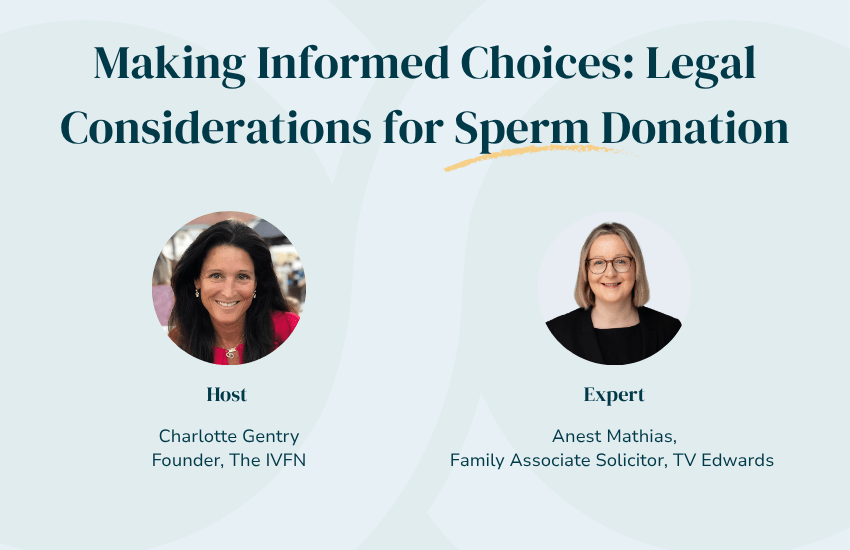
Previous event Ask the Expert – Making Informed Choices: Legal Considerations for Sperm Donation
-
Female Alcohol and Fertility: Does It Affect Your Chances?

-
Female Reproductive immunology – the role of the immune system in fertility treatment

-
Transgender Pregnancy: Will Being Transgender Affect My Chances Of Having a Biological Baby?

-
Female PCOS Myth Buster

-
IVF What is ICSI?

Become a member
Our membership plans are designed to suit your needs.
Feel empowered by your fertility journey today!