Basal body temperature (BBT) tracking involves measuring your resting temperature each morning to detect patterns across your menstrual cycle. After ovulation, progesterone causes a sustained rise which is typically around 0.2–0.3°C. The temperature remains elevated for the rest of the cycle. Tracking this shift over multiple cycles can confirm whether ovulation is occurring, reveal the length and quality of your luteal phase, help time intercourse or fertility treatments more precisely, and provide meaningful data for your fertility specialist.
When you are navigating a fertility journey, whether you are trying to conceive naturally, preparing for IVF, or trying to understand your cycle more deeply, knowledge is one of the most powerful tools you have. Yet so much of what happens inside your body each month remains invisible without the right tools to help you see it.
Basal body temperature (BBT) tracking can be an accessible and meaningful way to track your cycle and identify if and when you ovulate. This simple method of monitoring your temperature shift can reveal a great deal about your hormonal health, your cycle patterns, and your fertile window, putting data-backed insights in your hands and helping you and your care team make more informed decisions together.
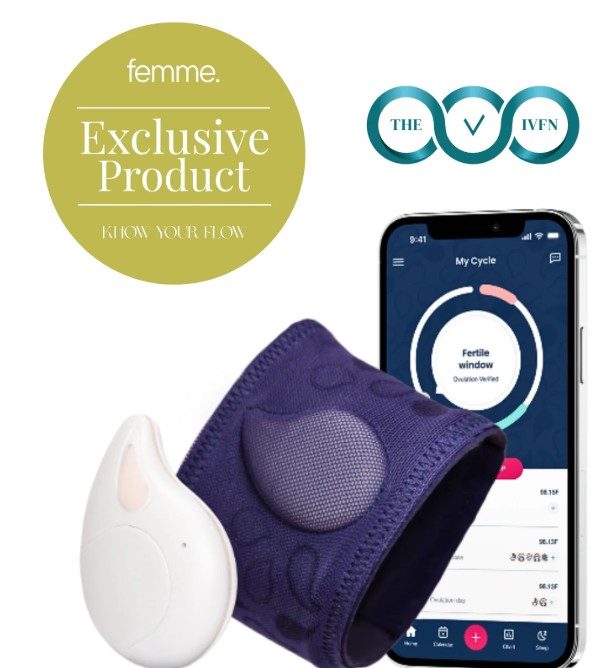
In this guide, we cover: what BBT tracking is and the science behind it; why timing intercourse matters so much; what your temperature chart can tell you about your cycle and hormone health; how the Tempdrop wearable fertility tracker removes the biggest barriers to accurate tracking; and how the exclusive IVFN x Tempdrop bundle can support your journey.
Explore the IVFN x Tempdrop Bundle
What Is Basal Body Temperature Tracking?
Basal body temperature is your body's lowest resting temperature, traditionally measured first thing each morning, with an oral thermometer, before any activity.
Throughout your menstrual cycle, your temperature shifts in a predictable, hormonally driven pattern. The relationship between BBT and the menstrual cycle was first formally described in the early twentieth century by Dutch gynaecologist Theodoor Hendrik van de Velde, who observed an upward temperature shift following ovulation in each cycle. We now understand this shift is driven by two hormones:
- Oestrogen: Dominant in the first half of your cycle (the follicular phase), keeps BBT relatively low, typically between 36.1°C and 36.4°C.
- Progesterone: Released by the corpus luteum after ovulation, it causes a sustained temperature rise of approximately 0.2–0.3°C that remains elevated throughout the luteal phase. This rise signals the hypothalamus to maintain a higher resting temperature.
A sustained rise in temperature across at least three days is consistent with progesterone production following ovulation. BBT tracking is often used to get a clear picture of your fertile window or within Fertility Awareness Methods (FAMs), it is often combined with cervical mucus observation and LH (Luteinising Hormone) tracking for a more complete picture of the cycle.
Why BBT Tracking Matters for Your Fertility Journey
Understanding your cycle in detail is valuable at every stage of a fertility journey. Here is why BBT tracking deserves a regular place in your routine:
1....