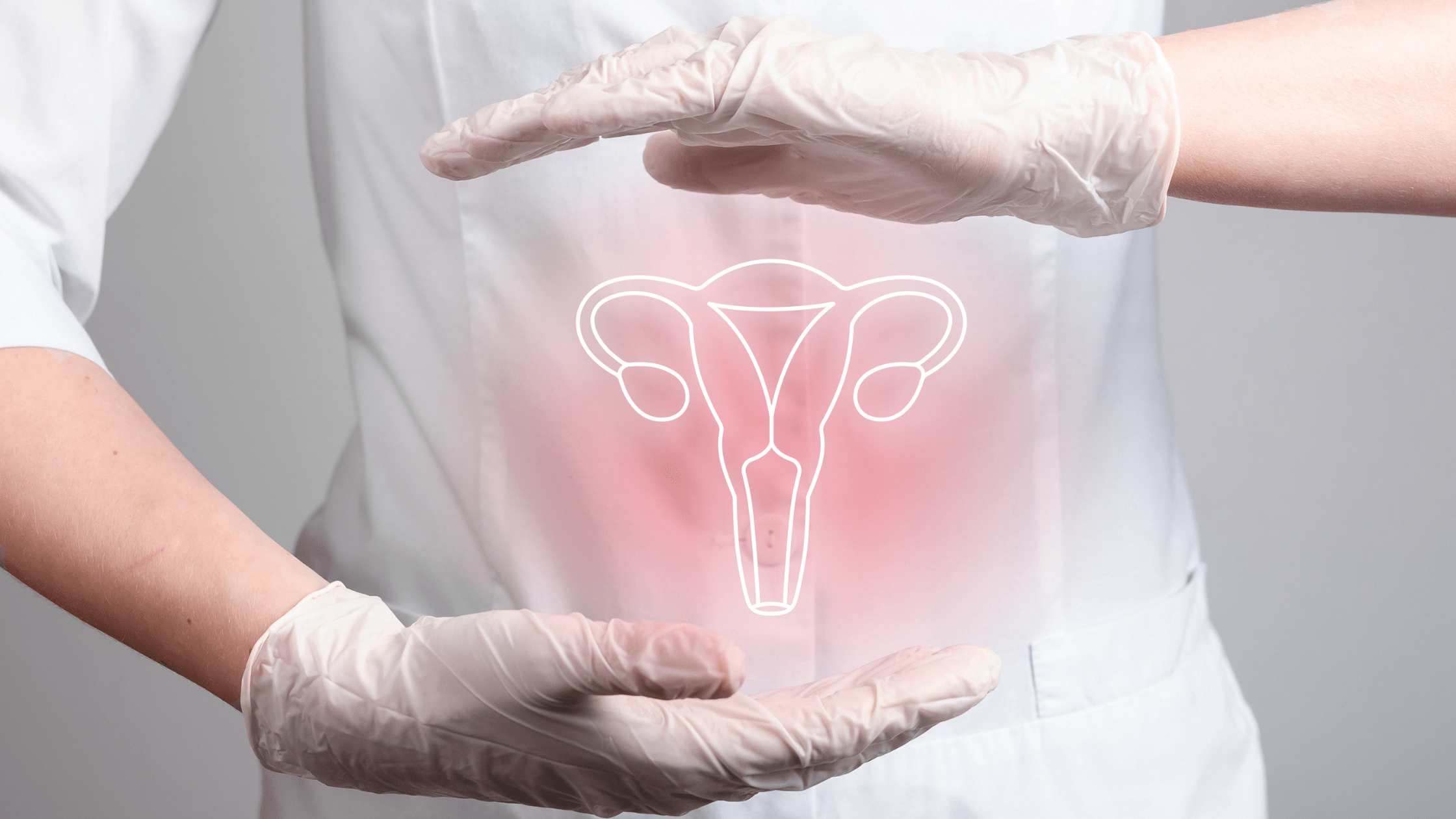
If you've been told you need a hysteroscopy as part of your fertility investigation, you're probably wondering what it involves.
Let's go through what hysteroscopy actually is, why it might be recommended, and what you can realistically expect if you have one.
What is a Hysteroscopy?
A hysteroscopy is a procedure that allows your doctor to look inside your uterus (womb) using a thin, telescope-like instrument called a hysteroscope.
This narrow, thin tube has a tiny camera on the end that sends images to a screen. During the procedure, the hysteroscope is gently passed through the cervical canal to reach your uterus, giving your consultant a clear, direct view of your uterine cavity and lining.
A hysteroscopy allows your doctor to closely examine the uterine walls for abnormalities that could affect fertility or implantation success.
Types of Hysteroscopy
There are two main types of hysteroscopy procedures your healthcare professional might recommend: diagnostic hysteroscopy and operative hysteroscopy.
Both types of hysteroscopy are considered safe procedures and are valuable tools in reproductive medicine, helping fertility specialists diagnose and treat uterine conditions that might otherwise go undetected.
This is primarily used to investigate the uterine cavity and lining for any abnormalities that could affect fertility, such as polyps, fibroids, or scar tissue.
This minimally invasive procedure allows your consultant gynaecologist to get a clear, direct view of the uterine environment, often as part of routine fertility investigations or to explore symptoms like abnormal uterine bleeding, irregular bleeding, or repeated miscarriages.
Diagnostic hysteroscopy is usually performed as an outpatient hysteroscopy, meaning you can go home the same day, and it typically involves little to no recovery time.
This is used when treatment is needed during the same procedure if your consultant identifies something that could impact fertility, such as a uterine septum, polyp removal, or intrauterine adhesions.
This approach allows for the removal of polyps, fibroids, or scar tissue, and can help optimise the uterine cavity for successful implantation, especially before an IVF cycle.
Operative hysteroscopy may require general or local anaesthesia, depending on the complexity of the procedure.
Why Might You Need a Hysteroscopy for Fertility?
Your fertility specialist might recommend a hysteroscopy if they want to:
Investigate unexplained fertility issues – Sometimes routine tests don't reveal why conception isn't happening, and a closer look inside the uterus can provide answers.
Check for structural problems – Uterine conditions such as polyps, fibroids, adhesions, or a uterine septum can all affect your ability to conceive or maintain a pregnancy.
Explore reasons for repeated miscarriages – If you've experienced multiple pregnancy losses, your doctor may want to rule out uterine abnormalities.
Investigate recurrent implantation failure – If previous IVF cycles have not resulted in successful implantation, hysteroscopy can help identify uterine factors that may be contributing.
Prepare for IVF treatment – Many clinics recommend hysteroscopy before starting IVF to optimise the uterine environment and improve the chances of successful embryo implantation.
Follow up on abnormal bleeding or scan results–...