ROI and Absenteeism: The Business Case for Investing in Reproductive Health and Employee Benefits

Reproductive health issues, including fertility concerns, pregnancy loss, menopause, and related mental health challenges, are among the most underestimated contributors to workplace absence.
Employers increasingly recognise the value of supporting employees with evidence-based fertility and reproductive health guidance. Yet they're also among the most preventable through early intervention, education, and supportive benefits.
Let's explore the tangible return on investment (ROI) of embedding inclusive reproductive health support into your employee benefits strategy and policies.
By doing so, you can reduce absenteeism, improve engagement, and deliver measurable cost savings.
Why Absence Management Starts with Wellbeing
Employee absence costs UK businesses billions each year in lost productivity, administrative burden, and reduced morale. Companies face an annual cost of £42 billion due to poor mental health, and £7 billion of this is from absence.
While many organisations track absence rates, fewer understand the underlying drives. Therefore, there is rarely a strategy in place for prevention.
Employee burnout, workplace bullying, and harassment are just a few of the contributors to absenteeism. However, the impact of reproductive health on absence is often overlooked.
Reproductive health heavily impacts wellbeing, and the challenges don't exist in isolation. They intersect with mental health, stress, and workplace culture, directly impacting attendance and performance.
The Hidden Cost of Reproductive Health Absence
The cost of absence due to reproductive health includes both direct and indirect expenses.
Direct expenses, such as wages for employees who aren't working and overtime costs for those that are.
Indirect expenses like delayed delivery of work and lower-quality work.
The Hidden Cost of Reproductive Health Absence
The cost of absence due to reproductive health includes both direct and indirect expenses.
Direct expenses, such as wages for employees who aren't working and overtime costs for those who are.
Indirect expenses include delayed delivery of work and lower-quality work.
Why do employees with reproductive health take absences?
Managers may be unsympathetic to employee absenteeism, but consider some of the challenges which impact wellbeing:
- Employees navigating fertility treatment often require multiple clinic appointments, which can mean frequent short-term absences or last-minute schedule changes, especially when they lack confidence in how to speak to their boss about treatment and time off.
- Menopause symptoms affect around 70-80% of women, with nearly half reporting that symptoms impact their work. Yet most say their employer offers no support.
- Mental health issues linked to reproductive challenges, including anxiety and depression, compound absence rates and reduce productivity even when employees are present. In fact, 23% of absences are related to mental health issues.
- Pregnancy loss affects one in four pregnancies, yet many employees feel unable to disclose their situation, leading to unexplained absence or presenteeism.
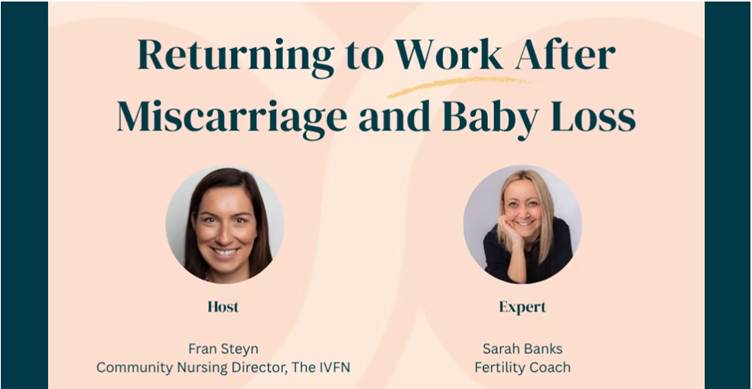
Why does the absence of reproductive health matter?
Without proactive support, these challenges create a cycle.
Employees struggle in silence, take unplanned leave, and often disengage or leave altogether.
Absenteeism negatively impacts employee morale and productivity, and chronic absenteeism disrupts a business's day-to-day operations. It's recruitment, training, loss of institutional knowledge, and diminished team performance.
Building a Business...
Login to continue reading
This content is for members only, to read the full article log in to your account.
Forgotten your password? Reset your password here.
Join us today
If you don’t have a membership yet, visit our Join us page.
Would you like your employer to pay for this?
For an obligation free chat to discuss how employer membership to The IFVN would work for your business, please contact us using this enquiry form.
Further reading
-
Female Basal Body Temperature Tracking for Fertility: What Your BBT Chart Can Tell You and How Tempdrop Makes It Easier

-
Mental health / Stress management Tools and Therapies: CBT, Mindfulness, Journaling

-
Corporate Stress and performance at work while trying to conceive

-
Workplace Supporting Parenthood at Work: Fertility Family Benefits Explained

-
Workplace Supporting Employees Undergoing Fertility Treatment: Mental Health Guidance For Employers

-
Mental health / Stress management Fertility Treatment Fatigue: How to Cope with the Emotional and Physical Toll
-
Mental health / Stress management Fertility and Intimacy: Reconnecting Your Sex Life During Fertility Problems

Invest in IVF support.
Attract talent.
Build loyalty.
Show your business is committed to employee well-being whilst promoting inclusion, engagement and retention.