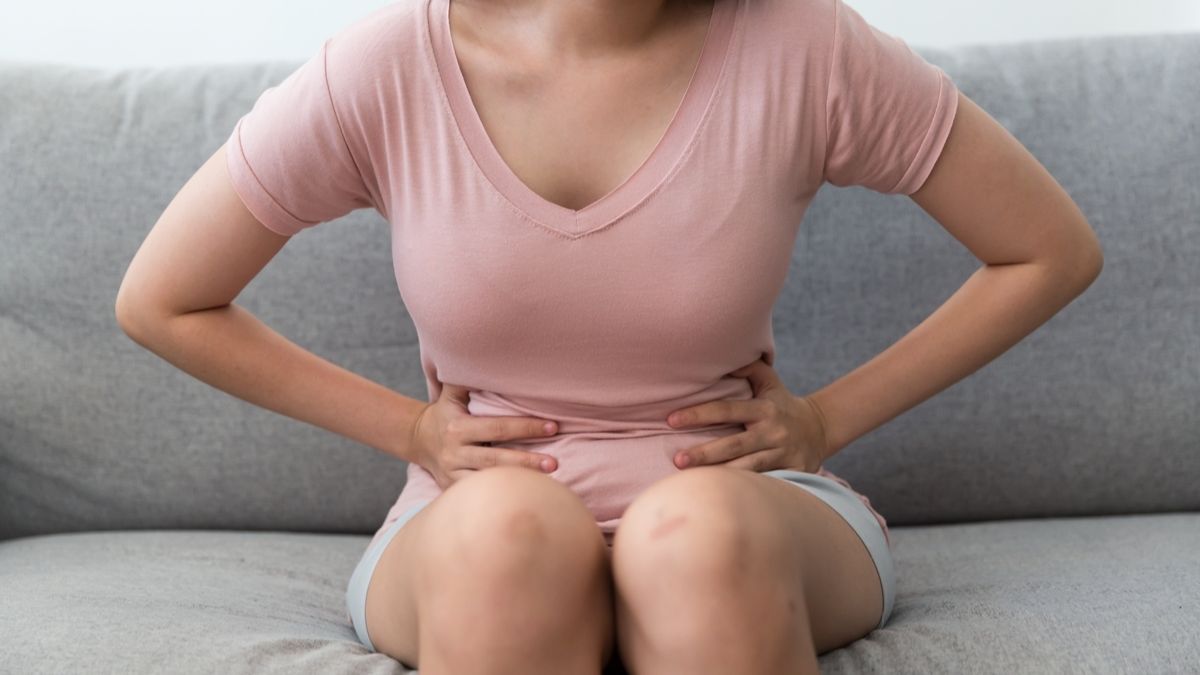
If you've been told that severe period pain is "just part of being a woman," it might be time to listen to your body.
While many people experience some discomfort during their menstrual cycle, persistent or worsening symptoms could be early signs of endometriosis.
Recognising the signs early and seeking specialist support can make a real difference to your quality of life and your fertility down the line.
Physiotherapy can also play an important role in managing pelvic pain and supporting recovery alongside medical treatment.
What Is Endometriosis?
Endometriosis occurs when cells similar to the lining of the uterus (endometrium) grow outside the womb. These abnormal growths are known as endometrial-like tissue.
Common sites for these cells to grow include the ovaries, fallopian tubes, and other pelvic regions. This tissue responds to your menstrual cycle just like the lining inside your uterus does, thickening and breaking down each month.
Unlike the tissue inside your uterus, it has nowhere to go, leading to inflammation, pain, and sometimes the formation of scar tissue. Inflammation can also affect surrounding tissues, causing further complications.
Endometriosis affects around 1 in 10 females in the UK. It is a significant women's health issue, with a major impact on quality of life and fertility, making awareness and early recognition especially important.
7 Early Endometriosis Symptoms and Signs to Watch For
Endometriosis symptoms can be subtle at first and vary widely from person to person. Common symptoms of endometriosis include pelvic pain and related symptoms, which are often the most recognisable indicators of the condition.
Some women experience debilitating pain, while others have minimal symptoms.
1. Pelvic pain
If your menstrual pain interferes with daily activities, such as missing work, school, or social events. It's worth investigating further. Some people experience severe pain that doesn't respond to standard pain relief, which can be a warning.
2. Heavy or irregular periods
Experiencing very heavy bleeding, periods that last longer than seven days, or bleeding between periods may indicate endometriosis or other gynaecological conditions. Endometrial tissue can cause abnormal menstrual blood flow.
3. Pain during or after sex
Many women with endometriosis experience deep pelvic pain during intercourse or in the hours afterwards. This pain may worsen during the menstrual period.
4. Digestive or bowel symptoms
Bloating, constipation, diarrhoea, or painful bowel movements that worsen around menstruation can be linked to endometriosis, mainly if it affects the bowel area.
5. Pain when urinating
If you experience pain when urinating during your period, this can suggest that endometriosis is affecting the bladder or surrounding areas.
6. Chronic fatigue
The ongoing inflammation and pain associated with endometriosis can leave you feeling persistently tired.
7. Difficulty conceiving
While not all women with endometriosis experience fertility challenges, it can affect your ability to get pregnant. If you've been trying to conceive for a while without success, endometriosis may be a contributing factor.
Other symptoms may also occur, as endometriosis can present with a wide variety of signs beyond those listed above, making diagnosis and...