

AMH vs FSH: Which Fertility Test Matters Most?
When you’re trying to conceive or considering fertility treatment, you’ll likely encounter two impor…

Reproductive health & wellbeing for everybody
When you’re trying to conceive or considering fertility treatment, you’ll likely encounter two impor…

Awareness of fertility in the workplace has never been so important. Here we explore the importance for both men and women of protecting themselves from exposure to potentially harmful chemicals.

Fertility is a topic that touches many lives, yet it often remains shrouded in misconceptions and un…
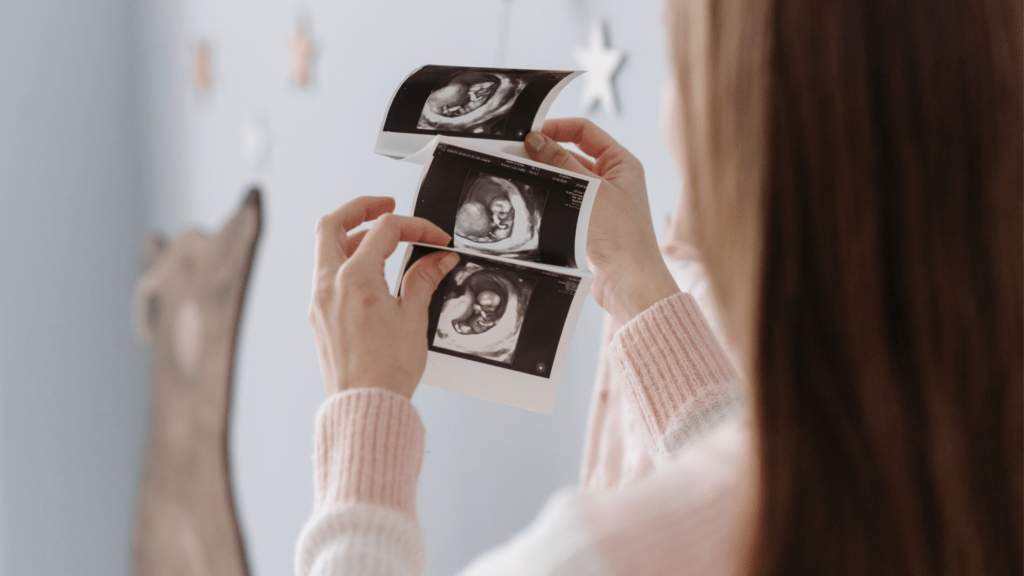
People choose to freeze their eggs for many reasons, but what links all these reasons is the desire,…
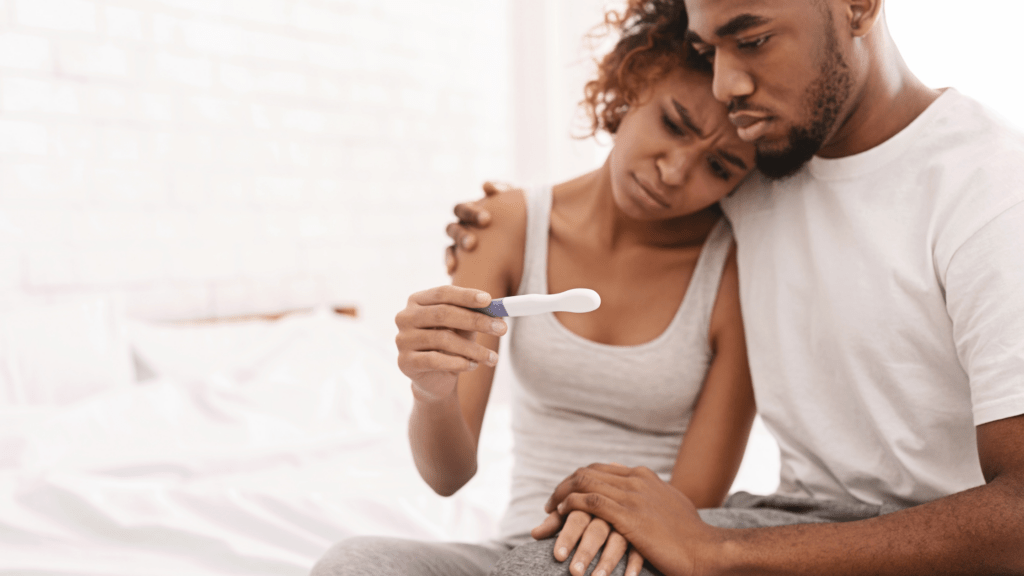
Prepare your body for pregnancy with our comprehensive guide! Whether you’re just starting your journey to parenthood or actively trying to conceive, there are important steps you and your partner can take to increase your chances of having a healthy baby.

Fertility, your questions answered.

Got questions about IVF? We’ve compiled a list of frequently asked questions and their answers to help guide the start of your journey.

Growing a family is typically an exciting time for most couples. When Sasha and I decided to begin our journey to motherhood, we knew we wanted to do Reciprocal IVF.
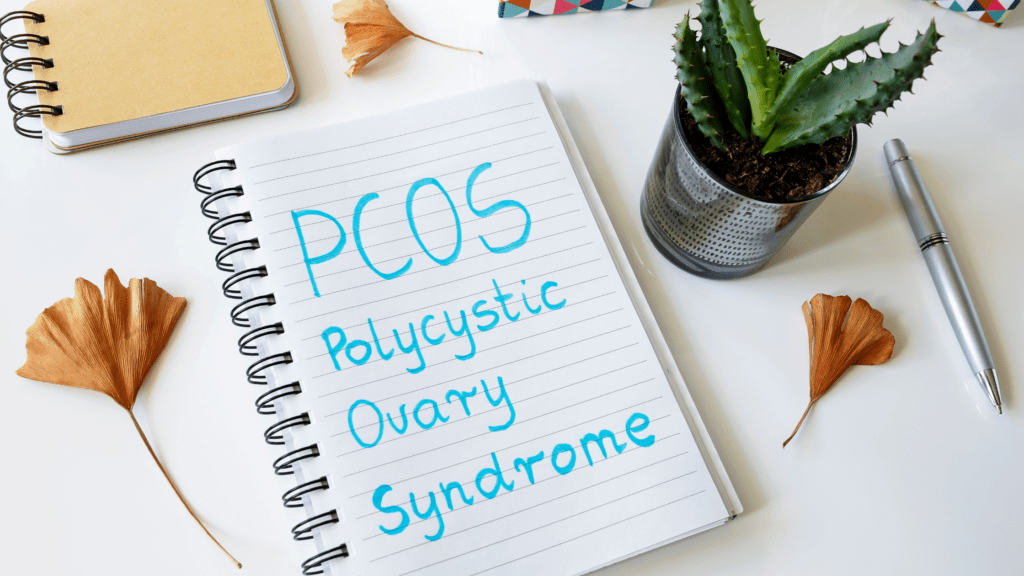
Polycystic ovary syndrome is a very common condition affecting the function of a woman’s ovaries. Read more about one of the most common causes of infertility, and the good news, that it’s treatable.

The simple answer to this is, the earlier the better.

Lots of us spend many years taking steps to avoid falling pregnant, yet when we do start trying for a baby, it can be harder to conceive than we think. On average, it takes 6-8 months to become pregnant, when actively trying, so although some couples conceive straightaway, for others, it may take a year or longer. Knowing more about ovulation, for example when it happens, the physical signs and how to track your cycle, can give you an edge and help you to conceive sooner.
Some people are diagnosed in their teens or twenties, with conditions such as endometriosis or polycystic ovary syndrome. This gives them a heads up that when they want to start a family, they may have issues with their fertility.