Egg freezing – your questions answered
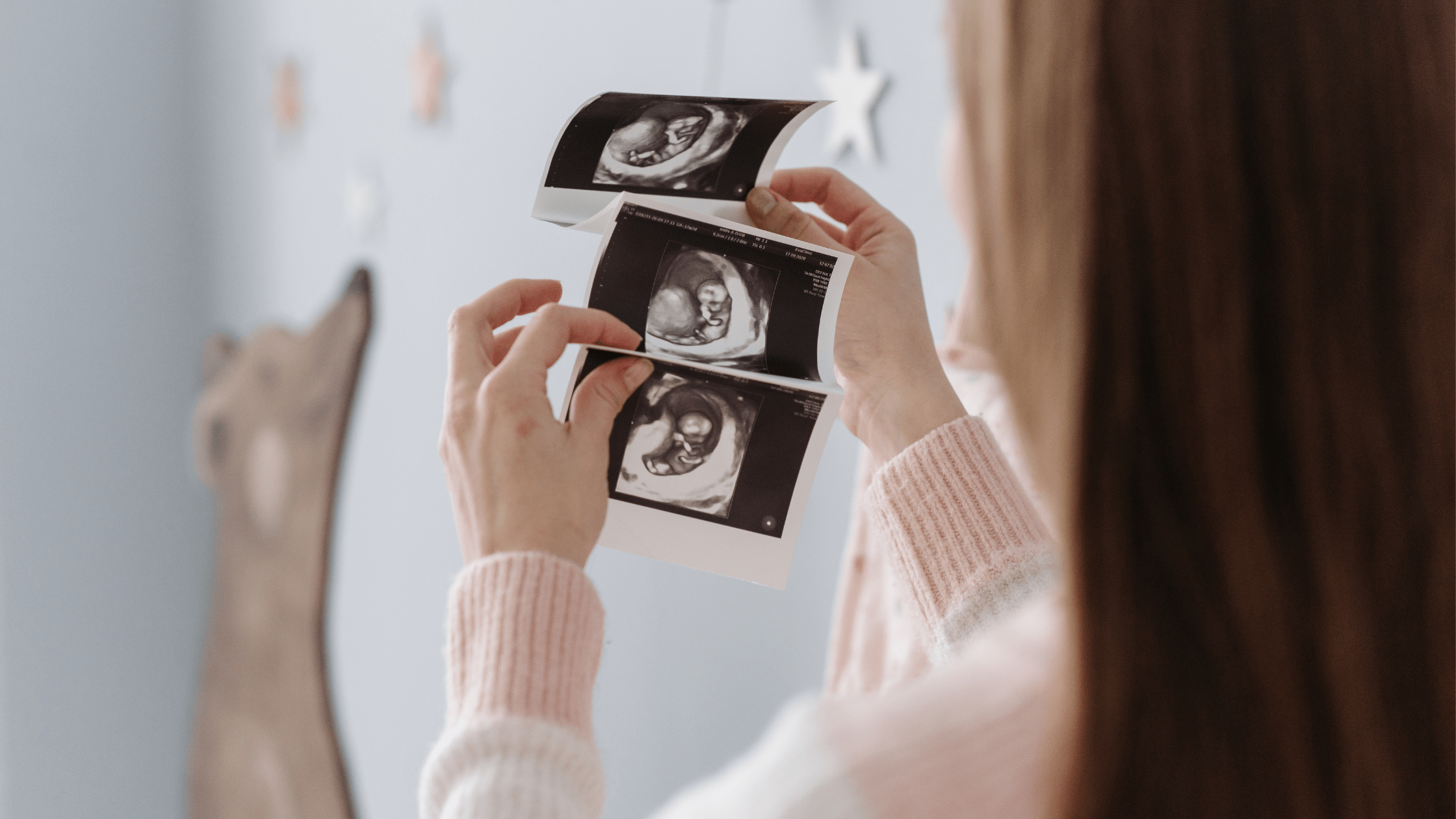
People choose to freeze their eggs for many reasons, but what links all these reasons is the desire, need or choice to have children at a later date. While egg freezing does not guarantee a successful pregnancy, egg freezing success rates are improving with advancing technology, meaning that it gives a very viable option for having a family at a later date if you wish to do so. The egg freezing process provides women with more flexibility and control over their reproductive health by preserving their fertility.
What are eggs?
Females are born with all the eggs that they’ll ever have. After puberty, your supply of eggs is constantly diminishing until you reach menopause, and there are no more eggs left. Chances of conception also decrease with age, and egg freezing can help to prolong a woman’s chances of having a biologically related child.
What is egg freezing?
Egg freezing, also known as oocyte cryopreservation, is a method of preserving a woman's eggs for later use. It includes stimulating the ovaries, collecting the eggs and then storing them. If you then go on to use them at a later date, your eggs will be thawed and fertilised with sperm to create an embryo that will be transferred into the uterus.
Patients under the age of 38 will normally have around 7 to 14 eggs collected, although this could be more or fewer. For females with low ovarian reserve, the number of eggs that can be retrieved may be significantly fewer.
Why do people freeze eggs?
Egg freezing offers the option to have a family at a later date, whether this is social egg freezing, to choose to have a baby later in life, or premature infertility, the risk that you may not be able to conceive due to health issues or other lifestyle factors. It’s also a viable option for those who may not be sure if they want to have a family but would still like to store their biological material.
Age
Egg quality and quantity decline with age, making conception more difficult for women over the age of 35, so you may want to store your eggs to preserve fertility. Many women choose to preserve their eggs so they can have children later in life while minimising the risk of having a baby with chromosomal abnormalities, such as Down's syndrome.
Lifestyle
For some people, egg freezing is a lifestyle choice. For career, financial, or relationship reasons, you may decide to put off having a family until you are older. Many people in the UK have their first child later in life, so elective egg freezing allows you to create a family when the time is right for you. However, having a family later with frozen eggs still carries an element of risk, as IVF treatment is not guaranteed to be successful, even with frozen eggs.

Future infertility
Some people want to plan due to potential fertility issues they might experience in the...
Login to continue reading
This content is for members only, to read the full article log in to your account.
Forgotten your password? Reset your password here.
Join us today
If you don’t have a membership yet, visit our Join us page.
Would you like your employer to pay for this?
For an obligation free chat to discuss how employer membership to The IFVN would work for your business, please contact us using this enquiry form.
Further reading
-
Female Basal Body Temperature Tracking for Fertility: What Your BBT Chart Can Tell You and How Tempdrop Makes It Easier

-
Fertility Treatments An Introduction to Surrogacy in the UK

-
Mental health / Stress management Fertility Treatment Fatigue: How to Cope with the Emotional and Physical Toll

-
Reproductive health Secondary Infertility: Causes, Tests & Treatment Options

-
Female ROI and Absenteeism: The Business Case for Investing in Reproductive Health and Employee Benefits

-
Female Supporting Fertility Challenges at Work: Reducing Workplace Stress

-
Workplace International Women’s Day: The Hidden Impact of Reproductive Health on Working Women

Become a member
Our membership plans are designed to suit your needs.
Feel empowered by your fertility journey today!