Fertility: Your Questions Answered

Fertility is a topic that touches many lives, yet it often remains shrouded in misconceptions and uncertainties. Understanding fertility challenges and the available treatments is crucial for individuals and couples navigating this complex journey. In this comprehensive guide, we address frequently asked questions and explore the options available to those facing fertility issues.
What is the current fertility rate in the UK?
The fertility rate in England and Wales has experienced a significant decline in recent years. As of 2023, the average number of children per woman stands at 1.44, marking the lowest rate in at least 85 years. This is a notable decrease from the post-World War II “baby boom” era, where the rate peaked at 2.93 children per woman in 1964.
What is infertility?
Infertility is a common issue that many couples face when trying to conceive. It is defined as the inability to get pregnant after one year of regular, unprotected intercourse. Infertility can stem from various factors, including problems with ovulation, sperm production, or issues with the fallopian tubes. In some cases, infertility remains unexplained, meaning no specific cause can be identified despite thorough medical evaluation. The World Health organization have categorised infertility as a disease of the reproductive organs.
What is female infertility?
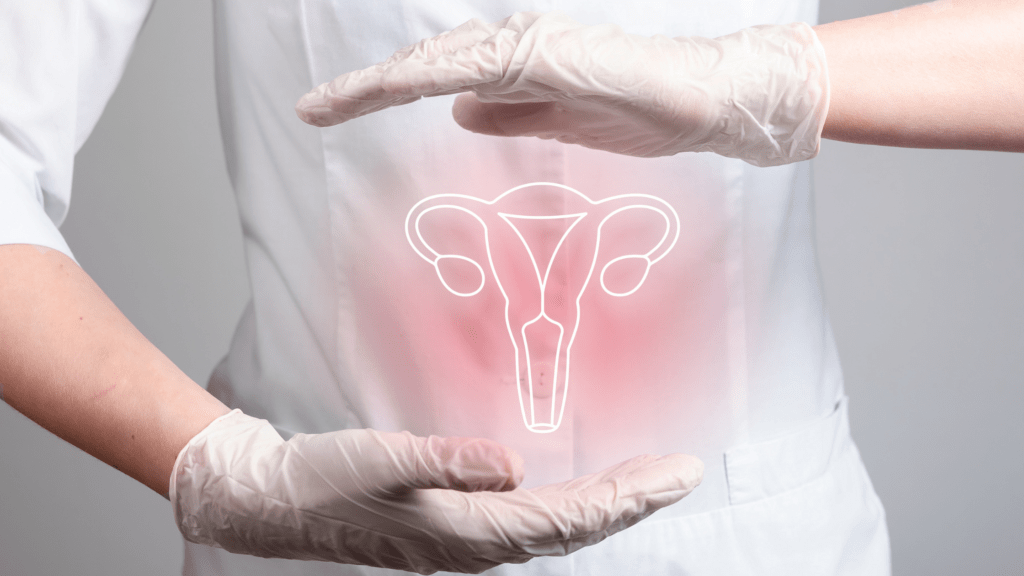
Female infertility is a prevalent concern that can arise from several underlying issues:
Disruption of Ovarian Function: Conditions like polycystic ovary syndrome (PCOS), premature ovarian failure (POF), and ovarian cysts can interfere with normal ovulation.
Fallopian Tube Obstruction: Blockages, scarring, or other damage to the fallopian tubes can prevent the egg and sperm from meeting.
Uterine Abnormalities: Issues such as fibroids, polyps, and congenital uterine anomalies can affect implantation and pregnancy.
Women over the age of 35 are at a higher risk of infertility, as fertility declines with age. Other risk factors include smoking, obesity, and a history of pelvic surgery, all of which can negatively impact reproductive health.
What is male infertility and what causes it?
When trying to get pregnant, a female partner usually undergoes fertility tests first, these can be invasive and stressful. However, in a couple, it is equally as likely to be the male experiencing infertility as it is the female. With male fertility problems accounting for around 50% of infertility cases.
For men, fertility struggles often stem from issues with sperm such as low sperm count, poor sperm motility (sperm movement), and sperm morphology (oddly shaped or not grown fully). But other causes of infertility include Retrograde ejaculation (when the semen goes into the body rather than out of the penis), Varicoceles (when the veins in the scrotum are blocked), age and lifestyle factors.
Watch now: How do you improve sperm quality, motility and count?
How do you test a woman’s fertility?
The type and number of tests vary, depending on the individual and any symptoms that they may be presenting. Tests may include:
Ovulation testing (a urine test to determine whether an egg might be being released each month).
Ovarian reserve testing (a hormone...
Login to continue reading
This content is for members only, to read the full article log in to your account.
Forgotten your password? Reset your password here.
Join us today
If you don’t have a membership yet, visit our Join us page.
Would you like your employer to pay for this?
For an obligation free chat to discuss how employer membership to The IFVN would work for your business, please contact us using this enquiry form.
Further reading
-
Reproductive health Secondary Infertility: Causes, Tests & Treatment Options

-
Reproductive health Sleep and Fertility: How Quality Sleep Affects Reproductive Health

-
Workplace International Women’s Day: The Hidden Impact of Reproductive Health on Working Women

-
Reproductive health Endometriosis and Infertility Treatment: Does IVF Affect Success Rates?

-
Female Early Signs of Endometriosis in Young Women: What to Look For

-
Hormone testing AMH vs FSH: Which Fertility Test Matters Most?

-
Female Hysteroscopy IVF Fertility Test: What it is & What to Expect
Become a member
Our membership plans are designed to suit your needs.
Feel empowered by your fertility journey today!