Male Information Hub - The IVFN
Information hub Offers Community Events

Our platform is the only one that provides a free consultation with clinicians and practitioners saving you thousands of £s

Information Hub / Male

Group of friends drinking

Alcohol and Fertility: What You Need to Know 

Sharing a glass of wine or enjoying a night out with friends is a normal part of life for many people, but when you’re trying to conceive, it’s natural to wonder how alcohol might affect your fertility journey. The research is clear: alcohol can affect both male and female fertility, and even small amounts may make it harder to conceive. 

Key Facts About Alcohol and Fertility 

  • Any amount of alcohol may reduce fertility - there is no “safe” level when trying to conceive. 
  • Alcohol affects both men and women - it can impair egg and sperm quality, making conception more difficult. 
  • Drinking before conception can affect pregnancy outcomes - heavy or sustained alcohol use is linked to an increased risk of miscarriage and congenital conditions. 

How does alcohol affect female fertility?

Studies show that alcohol can: 

Excess alcohol can also affect sleep and overall wellbeing, both of which are important for reproductive health. 

The UK Chief Medical Officers’ guideline recommends that women trying to conceive (and those who are pregnant) avoid alcohol altogether to minimise risks for both fertility and pregnancy. 

How does alcohol affect male fertility?

For men, drinking above the UK low-risk guideline of 14 units per week can: 

  • Lower testosterone levels 
  • Damage sperm-producing cells in the testes 
  • Reduce sperm count, motility (movement), and morphology (shape) 
  • Impair erection and ejaculation (leading to sexual dysfunction) 
  • Disrupt liver function, which is important for processing nutrients like vitamin A, essential for sperm development 

The good news is that sperm are constantly being produced as they have a 90 day lifecycle, and lifestyle changes made now, including reducing or stopping alcohol, can improve sperm health within 2–3 months. 

What You Can Do to Support Fertility 

While alcohol-related damage to eggs cannot be reversed, stopping alcohol use may help protect the quality of remaining eggs. For both men and women, adopting a healthy lifestyle supports fertility: 

  • Eat a balanced diet rich in fruits, vegetables, whole grains, and lean proteins 
  • Exercise moderately and aim for a healthy BMI
  • Stop smoking or vaping 
  • Stay hydrated and get adequate sleep 
  • Seek support if you’re finding it difficult to cut back on alcohol 

Your GP or fertility specialist can provide personalised advice. If needed, they may also signpost you to support services or organisations that can help you reduce alcohol use safely. 

Alcohol is often woven into our social lives, but when it comes to fertility, even small changes can make a difference. Choosing to cut down or stop drinking is a proactive step you can take to improve your reproductive health and give yourself the best possible chance of conceiving. 

At The IVFN, we're here to support you with expert advice, resources, and a safe space to learn more about your fertility journey.

References

Public Health … Read the rest

What is ICSI?

Intracytoplasmic Sperm Injection (ICSI) is the process of taking a single sperm and injecting it directly into an egg. This egg is then transferred into the womb through IVF treatment.

Who is ICSI suitable for?

ICSI may be recommended for a number of reasons as an alternative to conventional IVF. These include male infertility, unsuccessful IVF treatment and if you are using frozen eggs.

Male infertility

Most male infertility is linked to sperm quality and health. An intracytoplasmic sperm injection (ICSI) is often recommended by fertility specialists if you are struggling with sperm-related problems, such as poor motility (poor movement), poor morphology (abnormally shaped), and low sperm count.

If you have sperm with poor motility and poor morphology, ICSI can be beneficial because the sperm can struggle to reach the egg naturally or in laboratory conditions. Using ICSI, the sperm is injected directly into the egg, mitigating the need for the sperm to reach the egg independently.

Low sperm count and vasectomy

 ICSI is used in instances where there is a low sperm count, or there are high levels of antibodies in the semen, which also affects the sperm count. A low sperm count can mean that conventional IVF is not successful.

If you have had a vasectomy and the sperm has been collected through an epididymis or directly from the testicles, then ICSI is often used.

Erection and ejaculation

If the male partner struggles with maintaining erections, ICSI treatment can be used by collecting the sperm directly from the testicles through an epididymis. This could be due to health, injury and other disorders, such as retrograde ejaculation or a blockage in the reproductive tract.

Egg freezing

The use of more mature, previously frozen eggs or if eggs being used are from someone over the age of 35, then ICSI might be recommended by your fertility specialist.

Unsuccessful IVF treatment

If you have been attempting to get pregnant by conventional IVF treatments, yet they have been unsuccessful, ICSI might give you a better chance of getting a successfully fertilised egg.

Understand more about ICSI and when it should be used: Watch Now

What is the ICSI procedure?

Below is an overview of what you can expect from the ICSI procedure. Parts of the procedure may alter depending on whether you are using donor sperm and eggs and frozen eggs. You can discuss this further with your fertility specialists.

1- Ovarian stimulation

The female partner will take fertility drugs to stimulate the ovaries to produce multiple mature eggs.

2- Egg collection

These eggs are retrieved by a thin needle through the wall of the ovaries. This will take place under anaesthetic to reduce pain.

3- Sperm sample

A sperm specimen is taken on the same day as the egg retrieval or frozen sperm can be used. The male providing the sperm must not have sex or masturbate three days prior to the collection of the sperm sample.

Surgical sperm retrieval may be used for males who have difficulty with ejaculations or … Read the rest

Pregnancy test

Fertility – your questions answered

In some cases, people are aware of their infertility (or possible infertility) from an early age, due to cancer treatment, operations or symptoms that have previously been investigated. For most people, they don’t find out that they are infertile, until they’ve been trying unsuccessfully to get pregnant.

‍ Here, at the IVF Network, we have compiled a list of frequently asked questions about fertility and the answers to go with them.

What is infertility?

‍ Infertility is defined as an inability to conceive, after a year or more of regular, unprotected sexual intercourse. ‘Diagnosed infertility’ is a term used when a definitive barrier to conception has been identified. However, ‘unexplained infertility’ is used for couples who have been unable to conceive via regular, unprotected intercourse for at least 12 months, but where doctors cannot identify a cause. Around 20% of couples struggling to conceive are diagnosed with unexplained infertility. ‘Primary infertility’ refers to someone struggling to conceive when they have never had a baby before. The term ‘secondary infertility’ is used when someone has already had one or more pregnancies, but is struggling to conceive again.

How common is infertility?

‍ Information on the NHS website states that: ‘Around 1 in 7 couples may have difficulty conceiving. About 84% of couples will conceive naturally within a year if they have regular unprotected sex (every 2 or 3 days).’

What are the signs of lack of fertility?

‍ The most obvious sign of a lack of fertility, is when heterosexual couples are unable to get pregnant after a year of regular, unprotected sexual intercourse (or 6 months if female and over the age of 35). For members of the LGBTQ community, single people or anyone concerned about their fertility, there are tests that can be carried out, for example, to check egg count or sperm count.

How do I know if I am fertile enough to get pregnant?

‍ There are a number of ways that a fertility specialist can test for infertility, including blood tests, hormone tests, semen analysis and more invasive procedures, such as a laparoscopy or a testicular biopsy, if required.

How do you test a woman’s fertility?

‍ The type and number of tests vary, depending on the individual and any symptoms that they may be presenting. Tests may include:

‍ - Ovulation testing (a blood test to measure hormone levels)

‍ - Ovarian reserve testing (a hormone test to check how many eggs are left)

‍ - Pelvic ultrasound (to check for any signs of disease)

‍ - Hysteroscopy (a check of the uterus, to look for any abnormalities)

‍ - Hysterosalpingography (an x-ray, to check for blockages)

‍ - Laparoscopy (to examine the fallopian tubes, ovaries and uterus)

How do you test a man’s fertility?

‍ As with women, the type and number of tests carried out, will depend on the individual. Tests may include:

‍ - Semen analysis (to check the number, morphology and motility of the sperm)

‍ … Read the rest

Man running on beach

A fertility MOT for Men – Men’s Health Week – June 13th – 19th

Conceiving a child requires healthy sperm. When doctors look at sperm samples, they look for sperm count (the number of sperm present), morphology (the shape of the sperm)and motility (the ability of the sperm to move). All of these aspects are important for conception.

The good news is, that as men constantly create new sperm throughout their lives, any positive lifestyle changes that you make now could very quickly make a difference to your fertility, in just a matter of months.

We have put together 10 top tips to increase your chances of fathering a child, either naturally, or through IVF.


1.    Eat healthy foods

A healthy diet is beneficial to everyone, but there are certain foods which can assist fertility in men. Vegetables, nuts, seeds and also Greek-style yogurt, have been shown to boost semen quality. Omega-3 fatty acids also help. Having a balanced diet of whole foods, with a range of red, orange and yellow fruits and vegetables, can maximise your fertility and boost the health of your unborn baby.

2.    Maintain a healthy BMI (Body MassIndex)

Your BMI –weight to height ratio, is important for general health and well-being, but is also beneficial for fertility and conception.

3.    Exercise moderately and regularly

Exercise is good for fertility, but only if done in moderation, as vigorous exercise can increase sperm temperature and have a negative impact on fertility.

4.    Stay calm

It’s important to take time to relax, as long-term stress can affect sperm production. 

5.    Have regular intercourse

Having intercourse around 2-3 times a week, especially (but not solely) around the time of ovulation, is key for natural conception.

6.    Avoid smoking

It has long been accepted that women should give up smoking before and during pregnancy, for the health of their unborn child. It is less well-known that smoking can reduce male fertility too and negatively impact your baby’s development. If you are struggling to give up smoking, your GP can offer advice and support.

7.    Reduce your alcohol and caffeine intake

Alcohol reduces sperm production. Both alcohol and caffeine, can lead to dehydration, which can negatively impact your sperm.

8.    Stay cool

Be aware of your clothing and temperature. Your testicles are located outside of your body, as sperm need to be kept cooler than your body temperature. Moving around, wearing light, loose-fitting underwear and avoiding hot places, can help to maintain the best temperature for your sperm.

9.    Avoid working with strong chemicals, where possible

Using strong chemicals can have a negative impact on your fertility and your unborn child’s development. There are many professions that may be affected, from lab work and engineering, to hairdressing and farming. The use of some chemicals, for example solvents, can cause issues with sperm production and morphology and can also lead to miscarriage, birth defects, neurodevelopmental issues and premature birth.  If you work with strong chemicals, you should make sure that you are adequately protected from risk.

10. Check if your medication may affect your fertilityRead the rest

Single parent holding child

Being a Single Parent – How To Start Your Own Family, By Yourself

If you want to have a biological connection to your child, then the options open to you might be IUI, IVF, surrogacy or co-parenting. 

If, for some reason, this is not possible for you in your circumstances, you could opt to foster or adopt a child. Fostering and adoption are also first choice options for many people, who wish to provide a secure home for a child who cannot live with their biological parents.

What is the difference between IUI and IVF and which should I choose?

IUI (intrauterine insemination, is where sperm is inserted directly into the uterus, via a thin tube, around the time of ovulation. This can be done with or without the use of fertility drugs. It is a simpler and less invasive form of ART (assisted reproductive technique) than IVF, with few side-effects. It is suitable for women who have no diagnosed barriers to conception.

IVF (invitro fertilisation) involves multiple hospital visits, fertility drugs, self-injection, egg collection and embryo transfer. If there are issues with blocked or damaged fallopian tubes, then IVF is considered to be a more viable option than IUI.

As a single female, where can I find donor sperm?

Donor sperm can be obtained from a sperm bank or from someone you know. The sperm will be frozen and screened first, to test for infection or any genetic disorders. It is important to look into what your rights are when using donor sperm.

As a single male, where can I find a surrogate?

It is illegal to pay a surrogate or to advertise as a surrogate in the UK, so you would have to go through an agency. In addition to this, in the UK, surrogate agreements are not legally enforceable, so the surrogate mother has full parental rights until she signs over those rights after the birth. There is a risk, therefore, that she may decide to keep the baby. 

What does co-parenting involve?

Co-parenting involves two people who are not a couple, choosing to have a baby together and share parental rights. As with the use of donor sperm or surrogacy, it is really important to have a clear, legal agreement in place and to be aware of your legal rights.

Would I be eligible for NHS funded IUI or IVF?

In England, single people and same sex couples are often expected to self-fund several cycles of IUI, to prove their infertility, before they will qualify for NHS funded treatment. Each local area also has different restrictions around funded treatment, so it is wise to talk to your GP first to find out if you would qualify for funding.

Who is eligible to foster and what is involved?

If you are over the age of 21, you will be eligible to foster, providing that you have not been convicted of any offence against children and can prove that you are fit, healthy and with enough energy to look after a child. You cannot … Read the rest

Women struggling with mental health. Mental health and fertility. Fertility mental health. Woman and fertility treatment.

Fertility and Mental Health

Difficulty conceiving comes as a shock to many people. It’s likely that for a large chunk of your life, you have been using contraception to avoid pregnancy, so the idea that you can’t, now that you want to, may feel even more frustrating.

That's not to say that everyone has this experience. For some of you, your journey will have been different. You may have been diagnosed with fertility issues or a women's health concern earlier in your life, you may have realised that natural conception would not be an option, due to being in a same sex relationship, or you may have undergone cancer treatment or surgery.

Regardless of your starting point, protecting your mental health during your fertility journey is important. So, how can you do this?

Signs your mental health is suffering

Acknowledging that you are struggling and that you need help is the first step. Feelings of anxiety and depression, mood swings, psychological distress, struggling to sleep, inability to focus and stress are signs that your mental health may be suffering due to your fertility diagnosis. It is important to take care of your emotional wellbeing through the fertility treatment because psychological symptoms may have a negative impact on fertility.

Mental health problems affect around 60 % of infertile patients, yet only 44 % of them seek out mental health services and support. Fertility Network UK has research which shows that an overwhelming 90 % of people who were experiencing long-term infertility have felt depressed and some have also felt suicidal.

Communicate your feelings and needs

Communication is key for protecting our mental health. There are ways that you can make sure that your needs are met, by keeping lines of communication open throughout your fertility journey. Open communication can help to prevent misunderstandings and misinterpretation, and can reduce potential depression and anxiety.

Unfortunately, many people feel a stigma and taboo around discussing infertility, which makes it difficult to give them the mental health support they need.

Fertility treatment patients will often take hormone medication to improve the chances of conception through an IVF cycle. However, this same medication can leave infertility patients feeling anxious and overwhelmed and it can also cause hormone imbalances and feelings of PMS . Ask your fertility clinic if you can receive mental health support and emotional wellbeing services from them.

Communicate with your partner

You are in this together. Emotions may be running high, but rather than treading on eggshells around each other for fear of causing upset, talk about your feelings, it is much better to be open and honest about what you are experiencing. If you are aware of each other’s thoughts and feelings, you can support each other and reduce tension.

Make opportunities to have fun

Making time to do things together that you enjoy, can be a great distraction and give your mood and energy levels a boost. The psychological impact of infertility can cause people to push away from their partners, when what they need … Read the rest

Mixed group of people practising yoga

What Type Of Exercise Is Best When Trying To Conceive?

Keeping fit is important for health in general, but it’s also key in helping couples or individuals to conceive and to prepare for the demands of parenthood. 

Maintaining a healthy BMI helps with fertility, so regular, moderate exercise is advised for anyone involved in trying to conceive, regardless of gender.

Going through tests and treatment for infertility can be a stressful time for many individuals and couples. Exercise is a great stress buster and reducing stress can have a positive impact on fertility and conception.  

Exercise for male fertility 

Traditionally, most of the focus has been put on female health, when it comes to having a healthy pregnancy. However, the quality of sperm is not just important for conception, it’s also jointly responsible for the healthy development of the foetus and for the health of the child as it grows. 

Regular and moderate exercise reduces inflammation and helps the testicles to function better. It can also help to improve sperm quality and increase sperm count. Moderation is key, however, as strenuous exercise is believed to have a negative effect on fertility. As with any new form of exercise, it’s important to get advice from your GP, if you are uncertain whether your chosen form of exercise will aid or lessen your chances of conception. 

The testicles are outside of the male body, because for fertility, including good sperm quality, they need to kept at below body temperature. It’s advisable to remember this when exercising, as well as during everyday life. 

It’s also important to remember that exercise is most effective for good health and fertility, when undertaken in conjunction with maintaining a healthy diet and positive lifestyle choices. New sperm are being constantly created, so making positive changes now, could greatly increase your chances of conceiving in the near future. 

Exercise for female fertility

For female fertility, regular, moderate exercise is also recommended, while strenuous exercise may have a negative impact. 

Walking, dancing, swimming and cycling are examples that could be easy to fit in for regular exercise. Certain yoga poses can increase the blood flow to the pelvic area which stimulates the reproductive organs and improves fertility. Yoga is also great for stress release and relaxation and can help to lift your mood. 

Exercises that should be avoided when trying to conceive are rigorous or strenuous exercises which over-heat or over-stress the body. 

Before deciding on how much exercise to do, it’s important to take into account how fit you already are, whether you are overweight and whether you have any pre-existing medical conditions. Your doctor can advise you on what type of exercise would be beneficial for you and how much to exercise.

Is it OK to exercise during an IVF cycle or during IUI treatment?

While exercise is beneficial when trying to conceive naturally and also in the lead up to going through IVF, once the cycle starts, evidence suggests that exercise should be AVOIDED during some stages of the treatment process.  Around … Read the rest

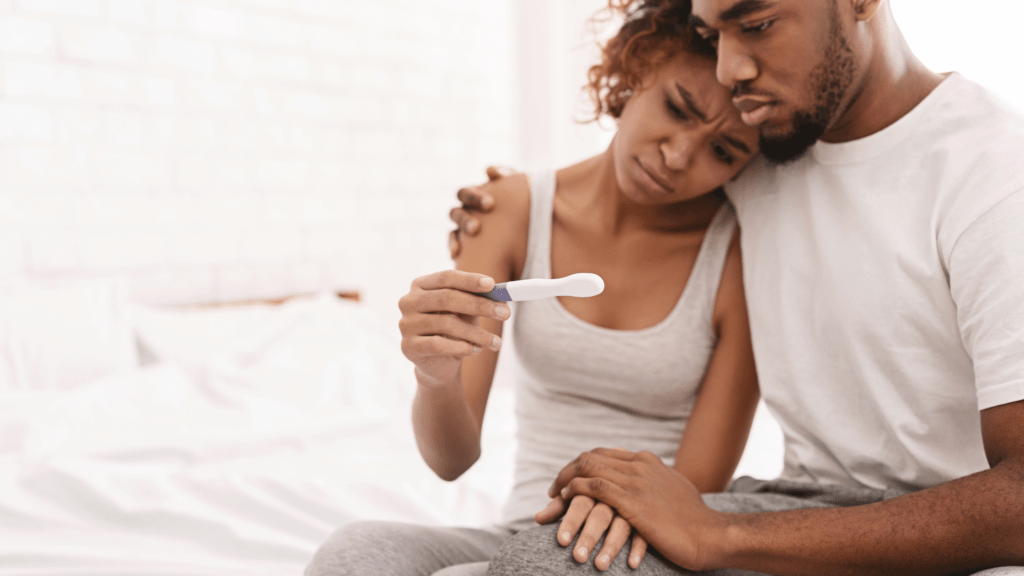
Black couple sad looking at a negative pregnancy test

What tests would you suggest for unexplained infertility?

Other people may have undergone treatment for cancer and had their eggs or sperm frozen, to preserve their fertility. They are aware that they’ll be likely to need to have IUI, IVF or ICSI, in order to have a biological child.

For many men and women, there have been no symptoms to indicate potential fertility issues, until they start trying to conceive and are unsuccessful, after repeated attempts. They are often then diagnosed with ‘unexplained infertility.’

How soon should I see a doctor if I’m struggling to conceive?

“More than 8 in 10 couples, where the woman is under 40, will conceive naturally within a year of having regular, unprotected sex.

Regular unprotected sex means having sex every 2 to 3 days without using contraception.” NHS website.

If you are a woman under 36 and struggling to conceive, it is advisable for you to contact your doctor after a year of regular unprotected sex. For women over 36, or people who think they may have an STI (sexually transmitted infection), then it’s suggested that you contact your GP sooner.

It’s a good idea to make an appointment for both of you together. Your doctor will want to know the medical history of you and your partner and any relevant family medical history too. They will also want to know how long you have been trying for.

After an initial appointment, they will be likely to refer you for tests.

What fertility tests are available for women?

The type and number of tests carried out, will differ for each individual, but may include:

·      Ovulation testing – this is a blood test that measures hormone levels, to check if you are ovulating

·      Ovarian reserve testing – carried out through a hormone test, this is to find out how many eggs you have available, as women are born with all of the eggs they will ever have

·      Hysterosalpingography – an x-ray is carried out, to check the condition of your uterus and fallopian tubes and to see if there are any blockages

·      Hysteroscopy – a thin device inserted through your cervix into your uterus, to look for any abnormalities

·      Laparoscopy – a small incision made beneath your navel, with a thin device inserted, to examine your fallopian tubes, ovaries and uterus

·      Other hormone tests

·      Pelvic ultrasound – to check for any signs of disease

What fertility tests are available for men?

The type and number of tests carried out will differ for each individual, but may include:

·      Semen analysis – your doctor may ask for a semen sample, which will be analysed in the lab

·      Genetic testing

·      Hormone testing – to check the level of testosterone and other hormones

·      Testicular biopsy – occasionally used to identify any abnormalities

·      Ultrasound

What if the tests show unexplained infertility?

Although the term ‘infertility’ suggests that you will not be able to conceive naturally, fortunately, this is not the case for everyone. It just means … Read the rest

Couple consoling each other

What Support Is Available For Me After The Loss Of My Baby, If I Want To Try To Conceive Again?

The loss of a baby is devastating, whether it’s through miscarriage, stillbirth, premature birth, or neonatal death.

As a grieving parent, you may be faced with a range of emotions, including shock, sadness, anger, disbelief, frustration and difficulty coming to terms with your loss. 

As well as dealing with your own grief, you may be dealing with the grief of others too, especially if you already have other children, who may be asking questions that you have no answers to yourself.

It’s important to show yourself compassion, to give yourself permission to grieve and to allow your feelings to come out. 

Counselling from professionals, who are used to working with others in your situation, can be extremely valuable, giving you a safe space to talk about your feelings about what has happened and your future.

Your GP, fertility specialist or IVF consultant can recommend where to get support for your individual needs. 

Where can I find answers to why I lost my baby?

This is not always possible, unfortunately. However, as scientists continue to research into fertility, pregnancy, birth and loss, they are beginning to find more answers for people. Your GP or consultant may be able to tell you what it was that may have caused your loss and, in some cases, there may be action that can be taken to help to prevent a similar loss in future.  

Which organisations work with parents who have lost a baby?

There are a wide range of charities and organisations that support parents through their loss and help them to find ways to move forwards. For many people who go on to have a baby after loss, they can also help them to deal with any conflicting emotions around the happiness of having a new baby, while still feeling the sadness from their loss. They are very experienced in dealing with the whole range of emotions that parents may feel at various points in their family journey.

Two of the most well-known of these organisations are Tommy’s and SANDS. More information about both charities can be found on the internet:

Tommy's

SANDS

If I have miscarried, had a still birth or lost my baby through neonatal death, what are the chances of this happening again? 

Many people who have been through baby loss, one or more times, can go on to have a successful pregnancy and give birth to a healthy baby afterwards. Your consultant will be able to advise you on how to move forwards in your own personal circumstances. 

When is it safe to try to conceive again, after the loss of my baby?

This varies very much on a number of factors and is something to discuss with your consultant or fertility specialist. 

It’s important to feel mentally and emotionally prepared to try to conceive again and your body also needs to be ready too.

If you have gone through IVF recently and miscarried, the medication used to stimulate the ovaries may … Read the rest

What is sperm fragmentation?

Most tests for male infertility, involve looking at the number, mobility and shape(morphology) of sperm. Although semen analysis tests may show sperm to be in the ‘normal’ range, they don’t take into account the quality of DNA within the sperm, which may be the cause of the infertility.

Sperm fragmentation is when the DNA within the sperm breaks. It can affect the chances of natural conception and conception through IVF. It has also been shown to be a factor in miscarriages too, as it is important for the normal development of the embryo.

It may be that sperm fragmentation accounts for many of the cases previously diagnosed as ‘unexplained infertility.’

What causes sperm fragmentation?

The damage to the DNA occurs either during sperm production or while the sperm is being stored in the body.

‘Breaks in the DNA strands are usually caused by oxidative stress. This produces free radicals that attack the DNA molecule. Sperm DNA fragmentation is therefore often associated with underlying medical conditions, or certain lifestyle choices including infection, varicocoele, smoking, alcohol, stress, poor diet, recreational drug use and advanced age (over 45years).’ Professor Sheena Lewis  


Is there a test for sperm fragmentation?

Sperm DNA damage testing in non-invasive, as it is performed on a semen sample, so there is no level of risk to the person having the test.

‘There is some evidence for a relationship between sperm DNA damage and the outcome of fertility treatment. However, the evidence is conflicting and depends on the type of test used by the clinic. The results of a sperm DNA damage test are unlikely to impact on the management of your treatment.’ (HFEA)

Can we still conceive, if my partner has sperm fragmentation?

Potentially, yes. You may have been struggling to conceive, or you may have had miscarriages that were possibly attributable to sperm fragmentation, but there are ways to help to create healthier sperm in the future. This can then lead to a greater chance of conception and birth.

As new sperm are continually being created, positive changes to diet and lifestyle can make a big difference in just a few months. If there is a varicocele present(enlarged veins within the scrotum) it may be able to be repaired, or treated with antibiotics. These changes mean that several months later, the new sperm that have been created, may not be fragmented.

ICSI (intracytoplasmic sperm injection) is a form of IVF used for men with weak or damaged sperm and can be more successful than traditional IVF.

Your doctor and fertility consultant will ask you lots of questions, about your medical history, diet and lifestyle, in order to build up a picture of what may be causing your infertility or miscarriages. From this, they will advise you on what course of action you can take moving forwards. You will also have the opportunity to ask them any questions regarding potential treatment.

Here at The IVF Network, we share a wealth of knowledge about fertility, conception and pregnancy. Through … Read the rest

Fertility doctor explaining egg fertilisation to a couple

What you need to know about egg fertilising

Thousands of sperm are released in a single ejaculation, but many don’t even make it close to the egg. Although hundreds of sperm may surround the egg, only one can successfully penetrate it, then the egg changes, so that no other sperm can enter. The single-cell zygote, then transforms into a multi-celled embryo. That embryo then needs to move down the fallopian tube and implant in the uterus, in order for a successful pregnancy to occur. The conditions have to be just right, for conception to happen.

For many couples or individuals who are unable to conceive naturally, ART (Assisted Reproductive Technologies) gives them the hope of having their own child, biologically linked either to them, their partner or both of them.

There are several different ART procedures available, including IUI (intrauterine insemination), IVF (invitro fertilisation) and IVF with ICSI (intracytoplasmic sperm injection). The difference between the three procedures, is the method used to allow fertilisation to take place.

How does fertilisation take place with IUI?

IUI is often used for couples or individuals who have been unable to conceive, but where there is no identifiable barrier to conception. It is popular with the LGBTQ community and individuals without a partner, as it’s generally a low-risk procedure, less invasive, with few side-effects and costs less too.

With IUI, there is no need for egg collection, as the sperm is placed directly into the uterus, via a thin tube, for fertilisation to take place in the same way as it would with natural conception. The female partner’s cycle is monitored, to pinpoint the best time for this to happen.

It’s possible to have a stimulated cycle (with fertility drugs) or an unstimulated cycle (without fertility drugs).

How are the eggs collected for IVF and ICSI?

The process usually starts with fertility drugs, administered at home, via self-injection. This stimulates the ovaries to release more eggs than usual. Scans, or blood tests can detect how the follicles are responding, to work out the best time for egg collection.

With the female partner under sedation, the eggs are then collected, using a fine needle passed through the vaginal wall.

More medication may then be used to prepare the lining of the uterus ready to receive any viable embryos.

How does fertilisation take place with IVF?

The healthiest sperm are selected and placed in a dish with the eggs in the lab, to allow fertilisation to take place.

Experts will monitor the development of any viable embryos.

How does fertilisation take place with ICSI?

The healthiest sperm are selected and one sperm is injected directly into each egg. After this, the procedure is the same as for IVF, where experts will monitor the development of any viable embryos. ICSI is often used when the barrier to conception appears to be caused by male factor infertility.

At the IVF Network, we know that individuals and couples who are trying to conceive are likely to have many questions. Through our dedicated channel of experts, our website … Read the rest

Trying for a baby during perimenopause

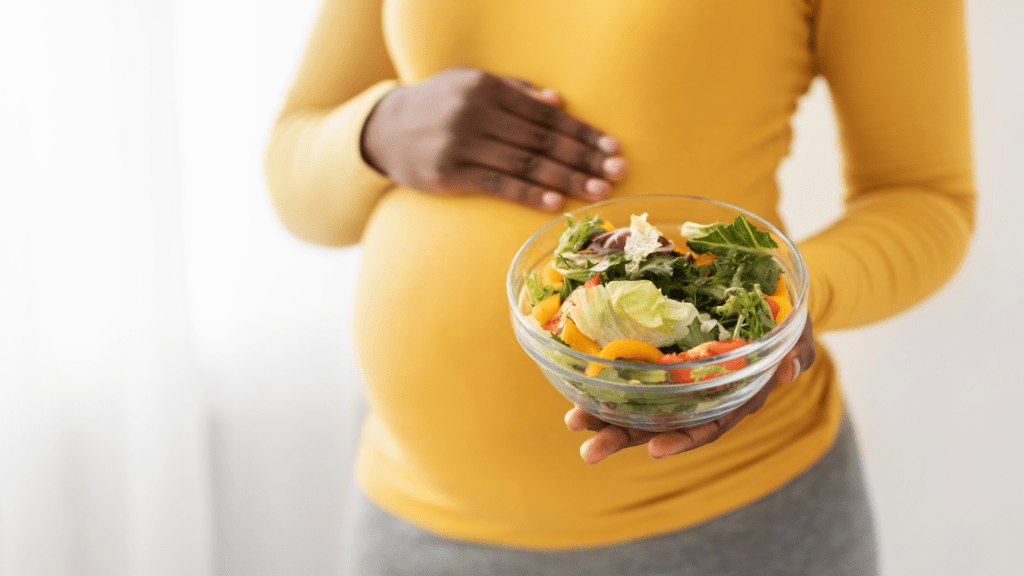
The Best Fertility Foods

We know that food alone cannot guarantee pregnancy, nor can it resolve underlying fertility challenges such as blocked fallopian tubes or diminished ovarian reserve. But the evidence is clear: a balanced, nutrient-rich diet can optimise reproductive health, improve egg and sperm quality, regulate hormones, and support your emotional wellbeing — all of which contribute to giving you the best possible chance of conceiving and carrying a healthy pregnancy. 

When we talk about “fertility foods,” we’re really talking about everyday ingredients that provide key vitamins, minerals, and antioxidants. These nutrients help the body function at its best and play a crucial role in reproductive health for both men and women. Importantly, balance and moderation are key — too much of a particular nutrient can sometimes do more harm than good. 

Core Foods that Support Fertility in Both Men and Women

  • Lentils – A plant-based powerhouse rich in folate (essential for DNA synthesis and healthy embryo development) and fibre, which supports hormone balance and gut health. 
  • Eggs – A great source of iron, choline, and Omega-3 fatty acids, all linked with early brain development and improved egg quality.
  • Pomegranate – Packed with antioxidants that protect eggs and sperm from oxidative stress, which is a common factor in reduced fertility. 
  • Walnuts – Contain both Omega-3 and Omega-6 fatty acids, supporting healthy sperm motility and morphology, and hormone production. 
  • Sunflower seeds – High in selenium, Vitamin E, and folate. Selenium plays an essential role in sperm formation, while Vitamin E supports endometrial health. 

Foods Particularly Beneficial for Female Fertility

  • Asparagus – A good source of folate and Vitamin K, supporting early foetal development and bone health. 
  • Salmon and sardines – Excellent sources of Vitamin D and Omega-3 fatty acids, both of which support ovulation and reduce inflammation in the reproductive system. 
  • Avocados – Contain monounsaturated fats, folate, and Vitamin E, helping regulate hormone production and supporting implantation. 
  • Olive oil – A healthy fat alternative to butter and margarine; helps reduce inflammation and may improve insulin sensitivity, which is important for women with PCOS. 
  • Greek yoghurt and other full-fat dairy – Provide calcium, Vitamin D, and protein, which may improve ovulation and support bone health. 


Other recommended additions include citrus fruits, cooked tomatoes (rich in lycopene), dark leafy greens, berries, watermelon, and sweet potatoes — all providing a wide spectrum of antioxidants, vitamins, and phytonutrients. 

Foods Particularly Beneficial for Male Fertility

  • Oysters – Extremely rich in zinc, which is essential for sperm production, motility, and testosterone levels. 
  • Brazil nuts – One of the best dietary sources of selenium, crucial for sperm formation, motility, and DNA protection. 
  • Tomatoes (cooked) – High in lycopene, an antioxidant shown to improve sperm count and motility. 
  • Pumpkin seeds – Provide zinc, magnesium, and antioxidants, supporting sperm quality and hormone balance.
  • Blueberries – Packed with Vitamin C and other antioxidants that reduce oxidative stress on sperm DNA. 

Understanding Key Nutrients 

Selenium 

  • Vital for sperm health and motility, testosterone production, and ovarian follicle development. 
  • Supports the body in
Read the rest