What Affects Egg Quality and Quantity? - The IVFN
Information hub Offers Community Events

Our platform is the only one that provides a free consultation with clinicians and practitioners saving you thousands of £s

What Affects Egg Quality and Quantity?
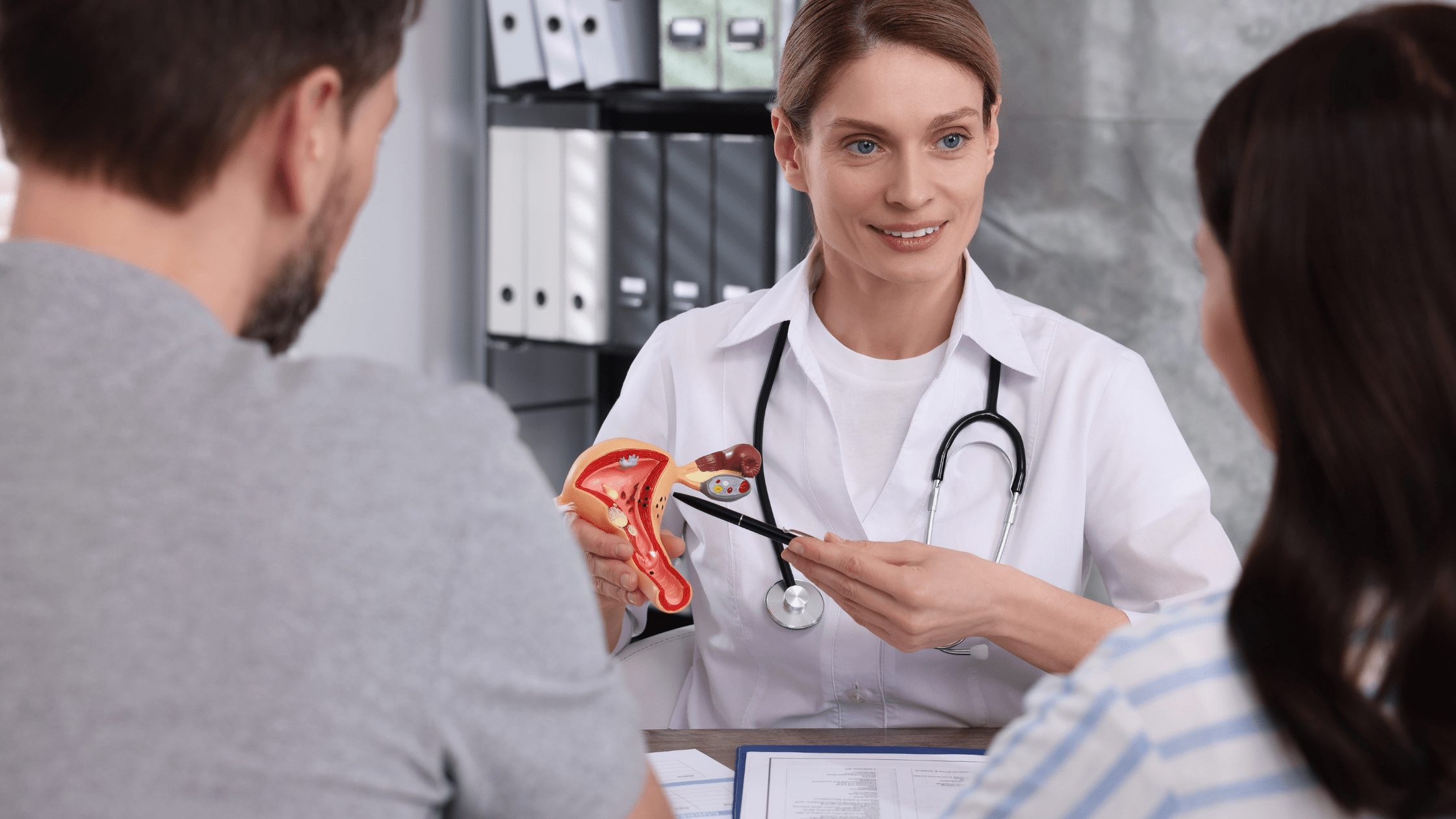
Fertility doctor demonstrating model of female reproductive system to couple in a clinic

As a woman, you are born with all of the eggs that you will ever have. Once menstruation begins, your number of eggs will begin to deplete, until you finally reach the menopause.

While you cannot improve the quality or increase the quantity of your eggs, you can take measures to preserve and protect them in the best way possible, in order to give yourself the best chance of conceiving.  

Medical Science has also developed ways to stimulate egg release, which is key in the IVF process.  

What might have a negative impact on my egg quality?

Smoking – women who smoke, generally have fewer eggs than those that don’t, their eggs are often of lower quality and they are also likely to reach the menopause earlier.

Alcohol excessive alcohol consumption by women can affect their hormone levels and also trigger earlier menopause

Diet – a poor diet can increase inflammation and lead to poorer egg quality

Weight – carrying excess weight can reduce egg quality

Stress – high levels of stress can lead to poor choices, which can, in turn, affect egg quality.

Chemicals– endocrine disruptor chemicals can have a negative impact on egg quality

Cancer treatment –treatment for cancer can cause damage to eggs and trigger an early menopause

Age – the older you get, the greater the percentage of eggs containing genetic abnormalities will be present in your ovaries. Eggs decline with age and that leads to a greater risk of miscarriage and of babies being born with Down Syndrome


How can I preserve my fertility if I need cancer treatment?

As treatment for cancer can damage eggs and trigger an early menopause, you could choose to have your eggs harvested and frozen, prior to your cancer treatment. This is the best way to preserve the quality of your eggs, while getting the treatment you need.

How will egg collection work in IVF?

Drugs will be prescribed to suppress your natural cycle. Then you will take a fertility hormone, called follicle stimulating hormone (FSH). This will trigger your ovaries to release more eggs, which can then be harvested and fertilised. The more eggs that are released, the greater the chance of creating a viable embryo to transfer. This process is the same if you are wanting to freeze your eggs for your own future use, or to donate your eggs to another woman.


Can I still use my own eggs, if I’m over the age of 40?

By 40, the quality of your eggs will have diminished considerably, putting you more at risk of miscarriage or of having a baby with a chromosomal defect. While having a healthy baby with your own eggs at this age is possible, your chances are reduced.

Some older women choose to use donor eggsfrom a younger woman, which is likely to increase their chances of conceiving through IVF. Some older women had their eggs frozen when they were younger and use those...

Login to continue reading

This content is for members only, to read the full article log in to your account.

Forgotten your password? Reset your password here.

Join us today

If you don’t have a membership yet, visit our Join us page.

Would you like your employer to pay for this?

For an obligation free chat to discuss how employer membership to The IFVN would work for your business, please contact us using this enquiry form.