Nutrition and Diet for Fertility: Foods and Supplements

Whether you are just starting out on your fertility journey or you've been trying to get pregnant for a while, The IVF Network is here to answer your questions on nutrition. If you and your partner are looking to improve your chances of conception, your diet might seem like an easy place to start. So, what is a fertility diet and can the foods you eat really affect your fertility?
What is a fertility diet?
A diet refers to the food you eat and the vitamins, minerals and other nutrients you get from it. When you are trying to get pregnant, you might need to be more aware of the food you are eating. A fertility diet refers to a diet which is recommended to couples who want to conceive. At its core, it's a balanced diet with a variety of healthy foods.
It's important to remember that what you eat doesn't guarantee conception or a healthy baby. However, having a healthy lifestyle and diet can improve your chances of fertility. As can eliminating specific foods from your diet.
Foods to add to your fertility diet
There have been studies showing that including certain foods and supplements in your diet has a positive effect on your fertility. It is recommended you eat a balanced, healthy diet, such as a Mediterranean diet. This diet is rich in fruits, vegetables, whole grains, seafood, nuts, legumes and olive oil.
Fruit, vegetables and whole grains contain complex carbohydrates, which keep blood sugar levels stable, and this, in turn, can improve fertility. Eating Greek-style yoghurt and eggs is great for the health and brain function of the unborn baby. Higher intakes of plant protein, such as lentils, nuts, and seeds, are also beneficial. Other foods women trying to conceive can add to their diet are pomegranate, walnuts, sunflower seeds, liver, asparagus, salmon, sardines, avocados, olives, leafy green vegetables, sweet potatoes and watermelons.
When altering your diet, even if it introduces more healthy foods, you should eat them in moderation. Eating large quantities of some of the foods listed above can be harmful rather than beneficial.
Fertility supplements
In addition to a healthy diet, many doctors recommend that females take a prenatal vitamin daily. If taking this vitamin, it is advised to start a month before trying to get pregnant. It is not essential to take a prenatal vitamin, but there are a few specific supplements to include in your fertility diet. Many women experience vitamin D and iodine deficiencies, and these are present in the prenatal vitamin. They are important because they are used to control blood concentrations in the body and therefore have a vital link to pregnancy. The prenatal supplement also includes folic acid, vitamin B12 and omega-3, which are advised for women trying to conceive.
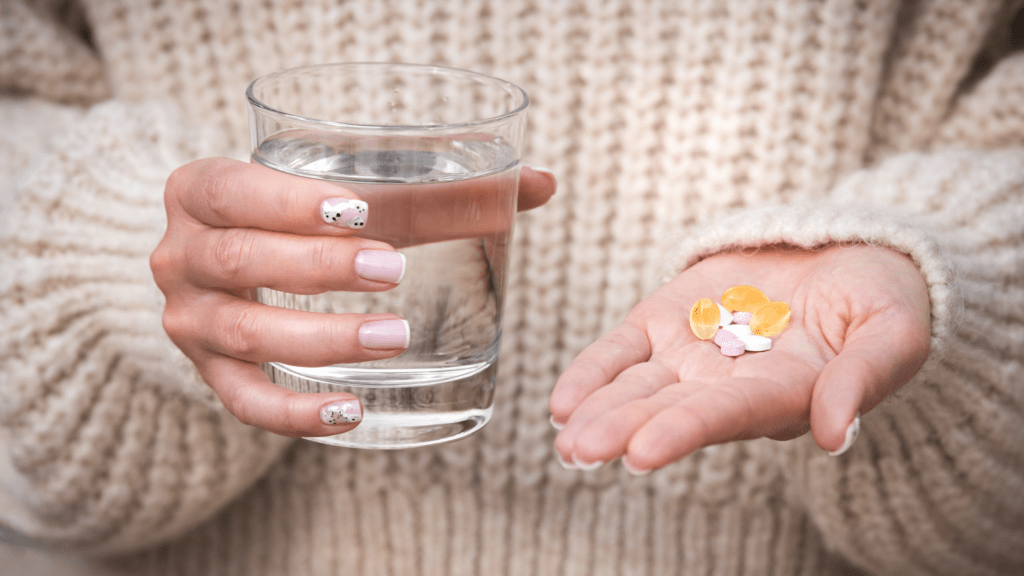
Folic acid
Studies show that women are more likely to conceive while taking folic acid supplements. Folate, the dietary equivalent of folic acid, can be found naturally in brussels sprouts, asparagus, fortified cereals, legumes and...
Login to continue reading
This content is for members only, to read the full article log in to your account.
Forgotten your password? Reset your password here.
Join us today
If you don’t have a membership yet, visit our Join us page.
Would you like your employer to pay for this?
For an obligation free chat to discuss how employer membership to The IFVN would work for your business, please contact us using this enquiry form.
Further reading
-
Fertility Treatments An Introduction to Surrogacy in the UK
-
Workplace Supporting Parenthood at Work: Fertility Family Benefits Explained

-
Mental health / Stress management Fertility Treatment Fatigue: How to Cope with the Emotional and Physical Toll

-
Mental health / Stress management Fertility and Intimacy: Reconnecting Your Sex Life During Fertility Problems

-
Reproductive health Secondary Infertility: Causes, Tests & Treatment Options

-
Female ROI and Absenteeism: The Business Case for Investing in Reproductive Health and Employee Benefits

-
Female Supporting Fertility Challenges at Work: Reducing Workplace Stress

Become a member
Our membership plans are designed to suit your needs.
Feel empowered by your fertility journey today!