What is IUI and how does it differ from IVF?
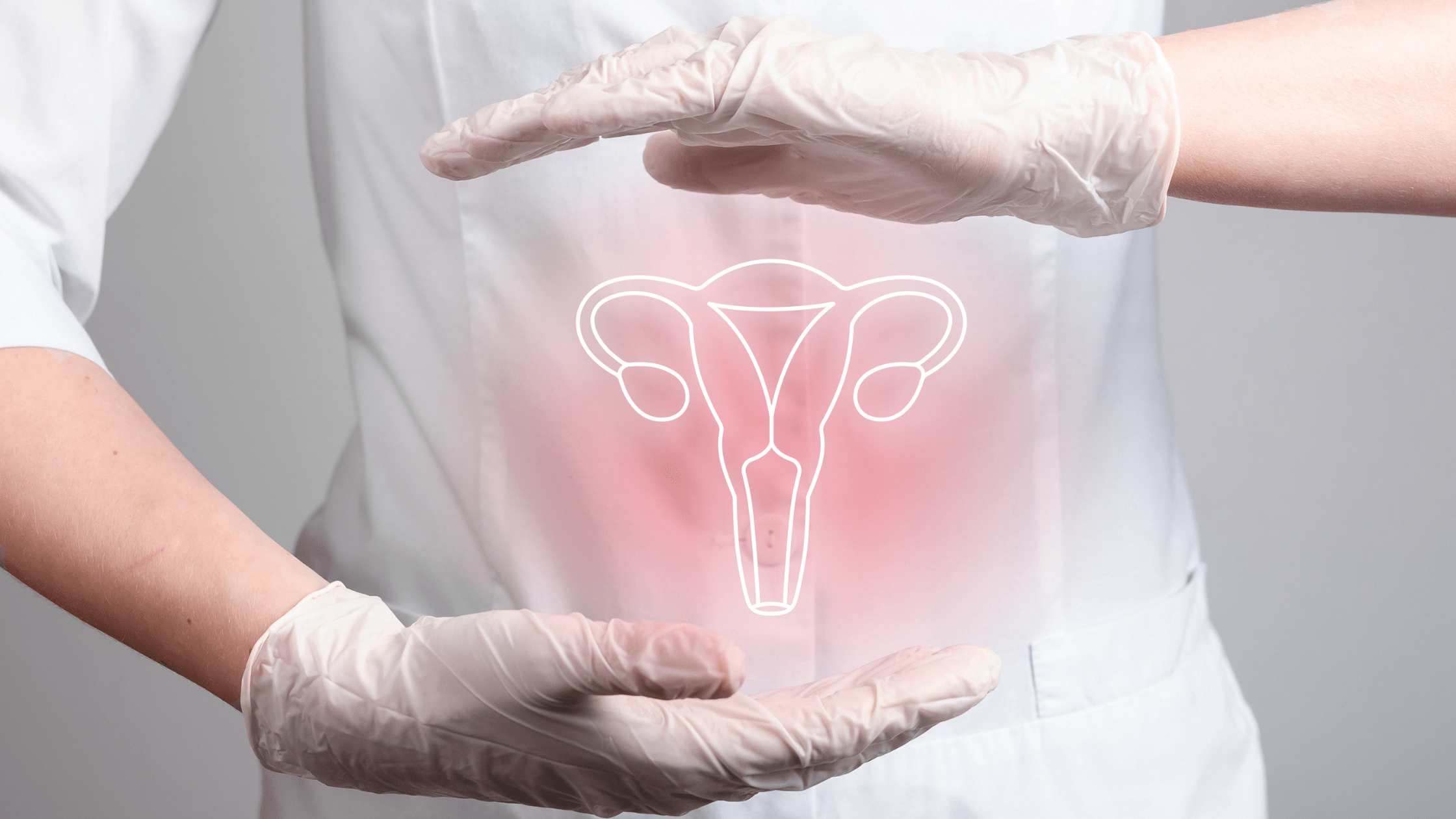
IUI stands for intrauterine insemination and it’s a fertility treatment involving inserting sperm directly into a woman’s womb.
It’s a much less complex procedure than IVF and less invasive, so it’s often offered to couples and individuals as an alternative, prior to trying IVF.
Who might be offered IUI treatment?
IUI is not suitable for everyone with infertility, for example, if a woman’s fallopian tubes are damaged or blocked. However, it can bypass some barriers to conception for many couples and individuals, reducing the need for IVF treatments.
People who may benefit from IUI treatment include:
- LGBTQ couples or individuals and heterosexual individuals without a partner, who are relying on a sperm donor to conceive. IUI is a simpler way to put the sperm and egg together, if the woman has no other identified fertility issues or barriers.
- Heterosexual couples who have been trying unsuccessfully to conceive for over a year (if under 35) or over 6 months (if 35 or over).
- Couples who cannot have sexual intercourse, due to a physical disability or a reason why unprotected sex isn’t safe for them.
What happens prior to IUI treatment?
A fertility assessment will be done prior to starting IUI treatment, to find out if it is a suitable option for you.
Your fertility specialist will talk to you about your menstrual cycle and ovulation prediction, as the best time to start an IUI cycle is just after ovulation.
If it is, your fertility specialist will discuss with you whether you want to have a stimulated cycle (with fertility drugs) or an unstimulated cycle (natural).

What’s involved in the IUI process?
If a couple are using their own sperm, then the man will need to provide a sperm sample in a cup at the clinic. The sample will then be washed and a concentrated sample of healthy sperm will be selected. This all usually happens on the day of the IUI procedure.
If you are using donor sperm, it’s a legal requirement in the UK for the sperm to be screened for inherited diseases and infections, so donor sperm is frozen, to allow time for detection.
During the IUI procedure, a speculum is inserted into the woman’s vagina. A thin tube is guided through the vagina and into the womb and then the sperm sample passes through the tube, directly into the womb.
IUI is a very short, mostly painless procedure, taking only about 10 minutes and meaning that you can go home shortly afterwards. You may experience slight cramps, but your fertility specialist will advise you on what to do if this happens.
IUI is a generally low-risk procedure, especially with the natural version. With stimulated IUI, there is a slight risk of ovarian hyper-stimulation and also of multiple births. Your clinic will be able to give you more information about this.
Is IUI available on the NHS?
As with IVF treatment, IUI is available to...
Login to continue reading
This content is for members only, to read the full article log in to your account.
Forgotten your password? Reset your password here.
Join us today
If you don’t have a membership yet, visit our Join us page.
Would you like your employer to pay for this?
For an obligation free chat to discuss how employer membership to The IFVN would work for your business, please contact us using this enquiry form.
Further reading
-
Female Basal Body Temperature Tracking for Fertility: What Your BBT Chart Can Tell You and How Tempdrop Makes It Easier

-
Female ROI and Absenteeism: The Business Case for Investing in Reproductive Health and Employee Benefits

-
Female Supporting Fertility Challenges at Work: Reducing Workplace Stress

-
IVF IVF Two-Week Wait: How to Manage Anxiety and Stress

-
Workplace International Women’s Day: The Hidden Impact of Reproductive Health on Working Women

-
Reproductive health Endometriosis and Infertility Treatment: Does IVF Affect Success Rates?

-
Female Early Signs of Endometriosis in Young Women: What to Look For

Become a member
Our membership plans are designed to suit your needs.
Feel empowered by your fertility journey today!