Understanding Endometriosis
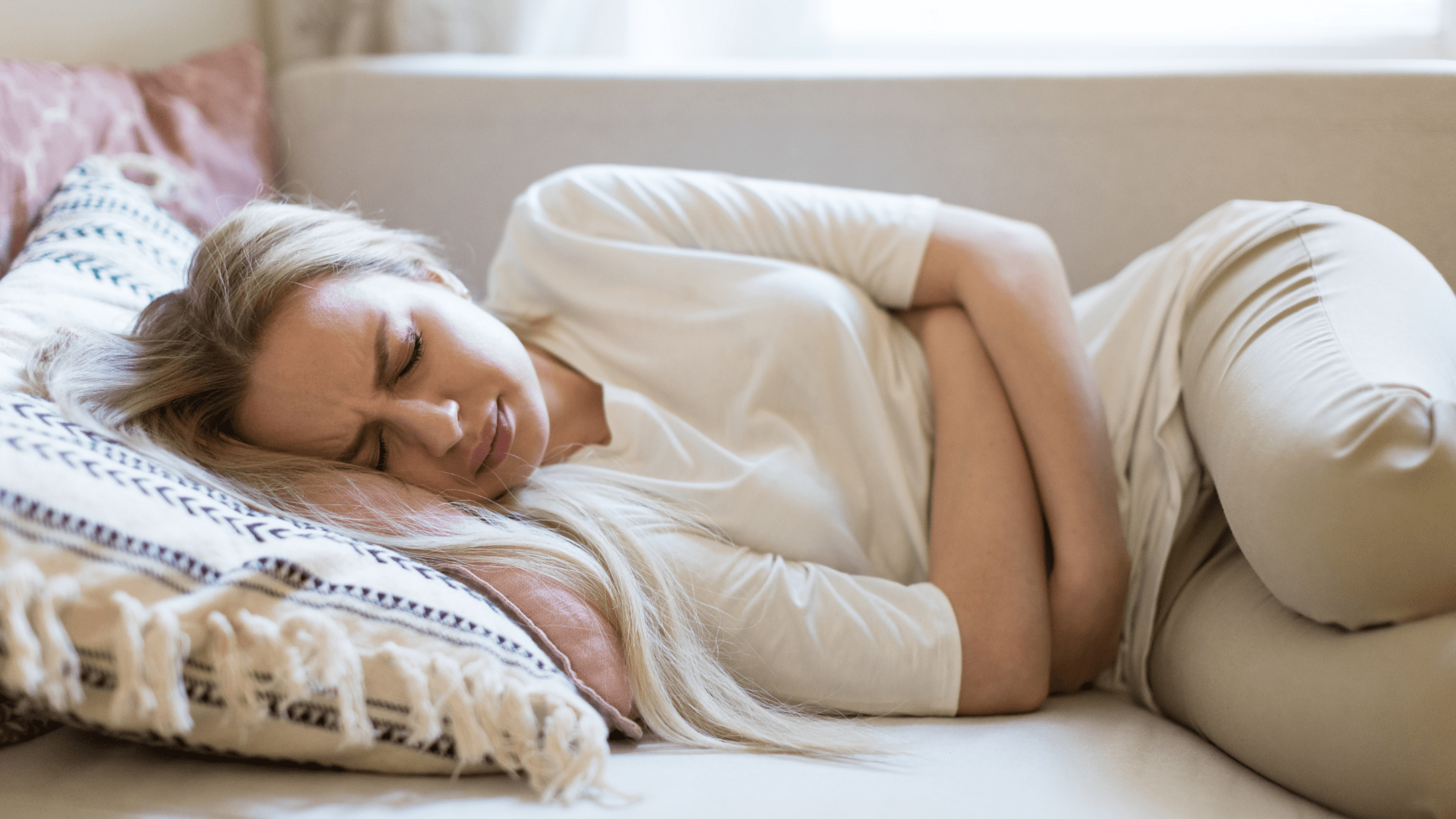
Endometriosis can be painful and cause discomfort in daily life. Around 1 in 10 females in the UK suffer from the condition, which can take its toll physically and mentally.
‘Endometriosis is a condition where tissue similar to the lining of the womb grows in other places, such as the ovaries and fallopian tubes.’ (NHS)
It responds to the menstrual cycle and blood is shed in the other areas too, at the same time as the period, but with nowhere to go, it causes pain and inflammation.
What is endometriosis?
Endometriosis is a condition in which tissue similar to the lining of the uterus grows in places outside the uterus. These places could include the ovaries and fallopian tubes. Endometriosis is almost exclusively found in the pelvic region and is linked to the menstrual cycle. Each month the cells accumulate, then during the cycle when blood sheds, the endometrial tissue out of the uterus sheds too. However, because this tissue is growing out of the womb it has nowhere to go. This causes pain, inflammation and potential scar tissue. 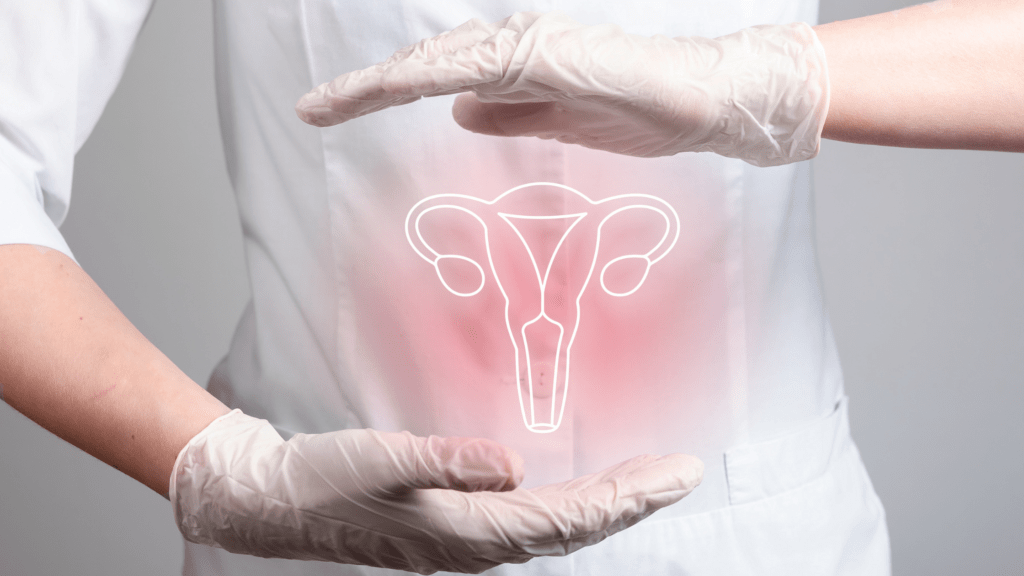
Who does endometriosis affect?
According to Endometriosis UK, approximately 1.5 million females in the UK have endometriosis. It affects females of all ages and can begin as early as first mensuration and last until women hit menopause, but it primarily affects women between 25 and 40. It is often a long-term condition. Those who have not had children and who have heavier periods are considered to be at greater risk. It is also believed to be genetic, as more than one person in a family will often suffer from the condition.
What are the symptoms of endometriosis?
One of the first signs of endometriosis is pain, especially during menstrual periods because the tissue is trying to shed away from the body with no escape. This can cause inflammation along with pain in the pelvis. Some people also experience pain during intercourse or when using the bathroom. Women with endometriosis may experience some or all of the following symptoms:
- Chronic pelvic pain
- Chronic back pain
- Fatigue
- Depression
- Issues with sex life and relationships
- Bloating or constipation
- Heavy menstrual periods
- Fertility issues
Endometriosis symptoms can be varied, making them difficult to diagnose. Some people have endometriosis without experiencing any symptoms, while others are greatly impacted by the condition. 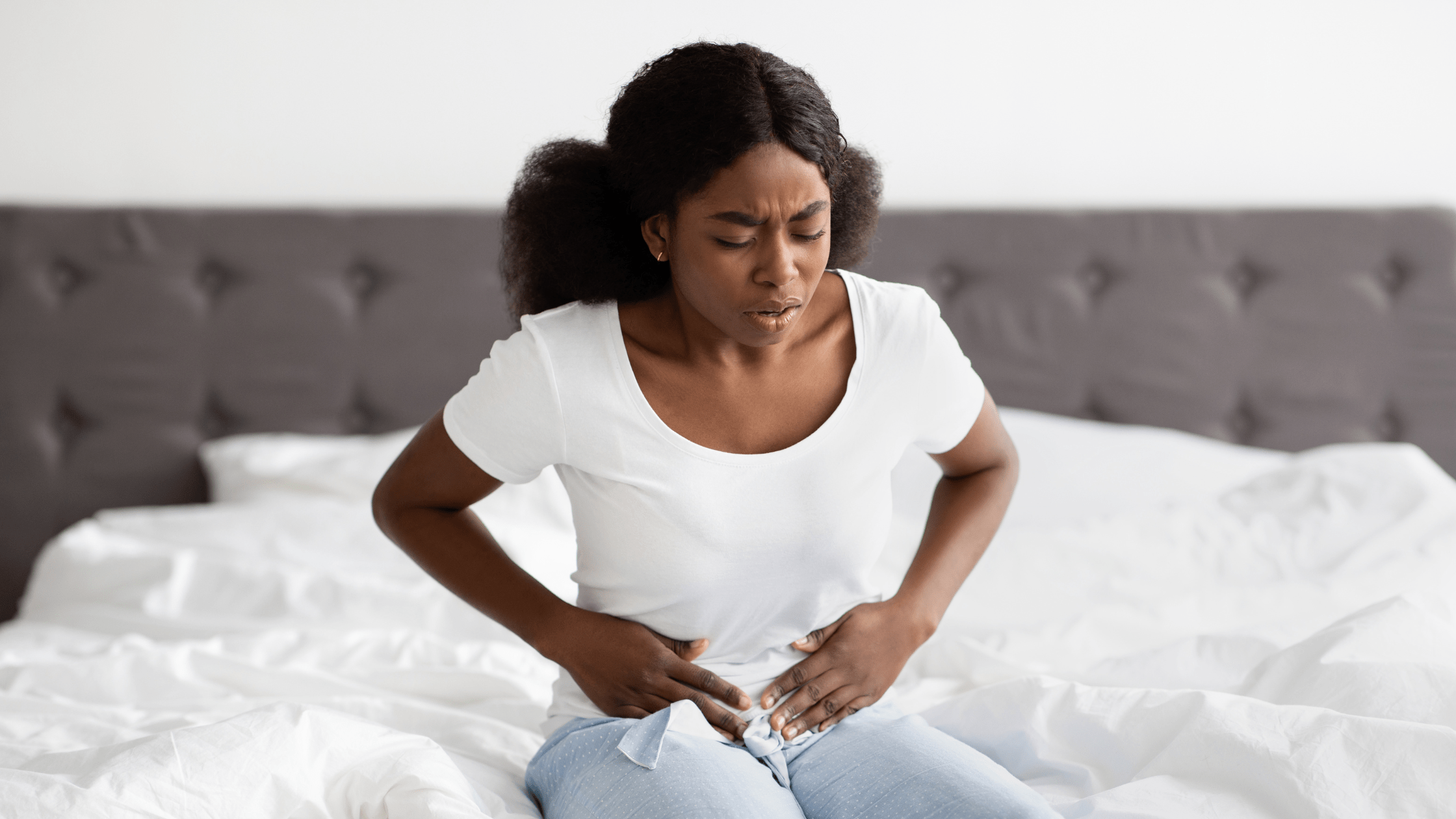
Fertility and endometriosis
Endometriosis can affect fertility. It does not cause infertility, and natural conception is possible for those with the condition. How endometriosis affects fertility is an under-studied area. However, it is widely understood that the link may be due to the condition scarring and disturbing the reproductive organs. With this in mind, people with endometriosis may look to have surgery to remove the tissue to improve their chances of conceiving. Although, there is no guarantee, and surgery can lead to further complications, such as causing infections, bleeding or damage to organs.
Login to continue reading
This content is for members only, to read the full article log in to your account.
Forgotten your password? Reset your password here.
Join us today
If you don’t have a membership yet, visit our Join us page.
Would you like your employer to pay for this?
For an obligation free chat to discuss how employer membership to The IFVN would work for your business, please contact us using this enquiry form.
Further reading
-
Female Basal Body Temperature Tracking for Fertility: What Your BBT Chart Can Tell You and How Tempdrop Makes It Easier

-
Fertility Treatments An Introduction to Surrogacy in the UK
-
Mental health / Stress management Fertility Treatment Fatigue: How to Cope with the Emotional and Physical Toll
-
Reproductive health Secondary Infertility: Causes, Tests & Treatment Options
-
Female ROI and Absenteeism: The Business Case for Investing in Reproductive Health and Employee Benefits

-
Female Supporting Fertility Challenges at Work: Reducing Workplace Stress
-
Workplace International Women’s Day: The Hidden Impact of Reproductive Health on Working Women
Become a member
Our membership plans are designed to suit your needs.
Feel empowered by your fertility journey today!