Male Infertility and Mental Health: Coping With the Hidden Struggle

Infertility impacts millions of individuals and couples who are trying to conceive.
According to the World Health Organisation, infertility is the inability to achieve pregnancy after 12 months or more of regular unprotected sex.
Male infertility, also called male factor infertility, is a physical condition with psychological consequences. It affects mental health, self-esteem, and overall well-being.
Men experiencing infertility may struggle with feelings of inadequacy, self-doubt, and emotional distress, all of which can impact their quality of life and relationships.
What is Male Infertility?
Male infertility is the inability of a man to impregnate a fertile female partner after 12 months of regular, unprotected intercourse.
It accounts for roughly 50% of infertility cases globally, yet it remains one of the least discussed health challenges men face.
How Do Fertility Issues Affect Male Mental Health?
Male infertility is frequently minimised, dismissed, or left unspoken.
Research consistently links male factor infertility diagnoses to elevated rates of anxiety and depression, as well as significant psychological distress. Up to 15% of men experiencing infertility show clinically significant symptoms of anxiety and depression.
Feeling Isolated
For the male partner, the emotional experience of infertility can be deeply isolating.
Diagnosis of infertility can trigger feelings of shame, guilt, and inadequacy in men. The impact on mental well-being and emotional well-being is significant, affecting overall quality of life.
Infertility is closely linked to traditional concepts of masculinity, making it feel like a failure in identity. This can lead to an unwillingness to share struggles with friends and family out of fear of judgment.
The psychological impact of male infertility is worsened by the lack of understanding and a reluctance to seek support.
Relationships and Fertility Problems
Fertility challenges can affect intimacy, communication, relationship dynamics, and sexual well-being in ways that are rarely discussed openly.
The fertility journey can impact your relationship with your partner. Couples can consider:
- Non-blame communication
- Scheduled non-fertility conversations
- Shared journalling
- Structured check-ins.
Couples therapy remains one of the most effective routes to rebuilding intimacy and communication during this time.
Timed intercourse, clinical pressure, and the emotional weight of a diagnosis can impact the connection between partners. For some men, this manifests as performance anxiety, reduced libido, or erectile dysfunction. These might not be due to a physical condition, but as a direct psychological response to the pressure surrounding conception.

Workplace, Social, and Cultural Considerations
Culturally, fertility is still frequently conflated with virility and masculine identity. Challenging this narrative is important. Male infertility is a medical condition, not a reflection of character, strength, or worth.
Those unable to disclose their situation to friends, family, or employers are more likely to experience isolation and less likely to seek the support they need.
In the workplace, fertility treatment involves appointments, procedures, and emotional demands that have a direct impact on professional life.
Many men are unaware that some employers offer fertility benefits. It is worth exploring your company's policies to understand how your employers can recognise that workplace fertility inclusion is a growing area...
Login to continue reading
This content is for members only, to read the full article log in to your account.
Forgotten your password? Reset your password here.
Join us today
If you don’t have a membership yet, visit our Join us page.
Would you like your employer to pay for this?
For an obligation free chat to discuss how employer membership to The IFVN would work for your business, please contact us using this enquiry form.
Further reading
-
Mental health / Stress management Fertility and Intimacy: Reconnecting Your Sex Life During Fertility Problems

-
Wellbeing Vitamin D, Sunshine & Hormones: Fertility in the Darker Months

-
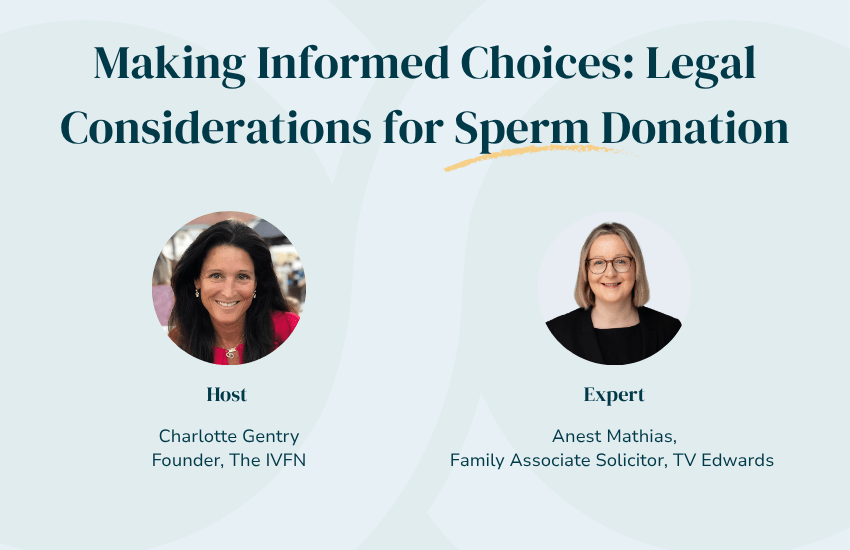
Previous event Ask the Expert – Making Informed Choices: Legal Considerations for Sperm Donation
-
Male fertility Movember: Men’s Health and Fertility

-
Female Alcohol and Fertility: Does It Affect Your Chances?

-
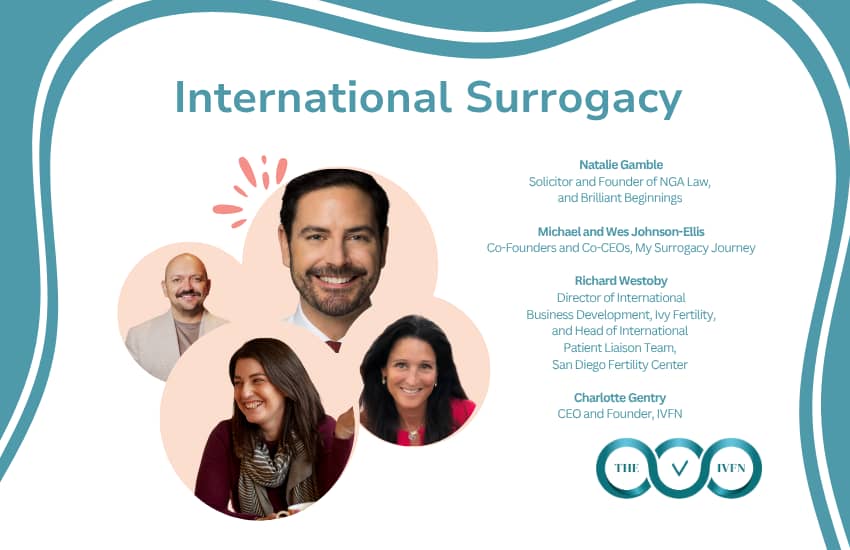
International Surrogacy
-
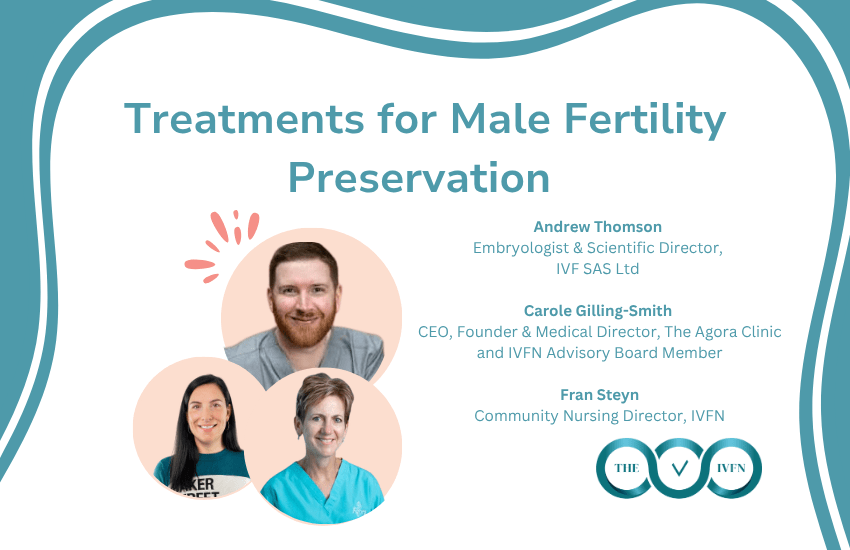
Previous event Treatments for male fertility preservation
Become a member
Our membership plans are designed to suit your needs.
Feel empowered by your fertility journey today!