Undergoing IVF can feel overwhelming – the process is filled with appointments, procedures, medications, and a whole host of waiting and uncertainty.
At The IVFN, we’re here to help demystify the process and support you every step of the way. Whether you’re just beginning to explore IVF or are already in treatment, knowing what to expect and what timeline you might be looking at can help you feel less anxious and better manage expectations.
This article will walk you through the typical IVF process, from consultation to embryo transfer, and outline the little ways The IVFN can support you along the way.
First, let’s take a look at exactly what IVF is.
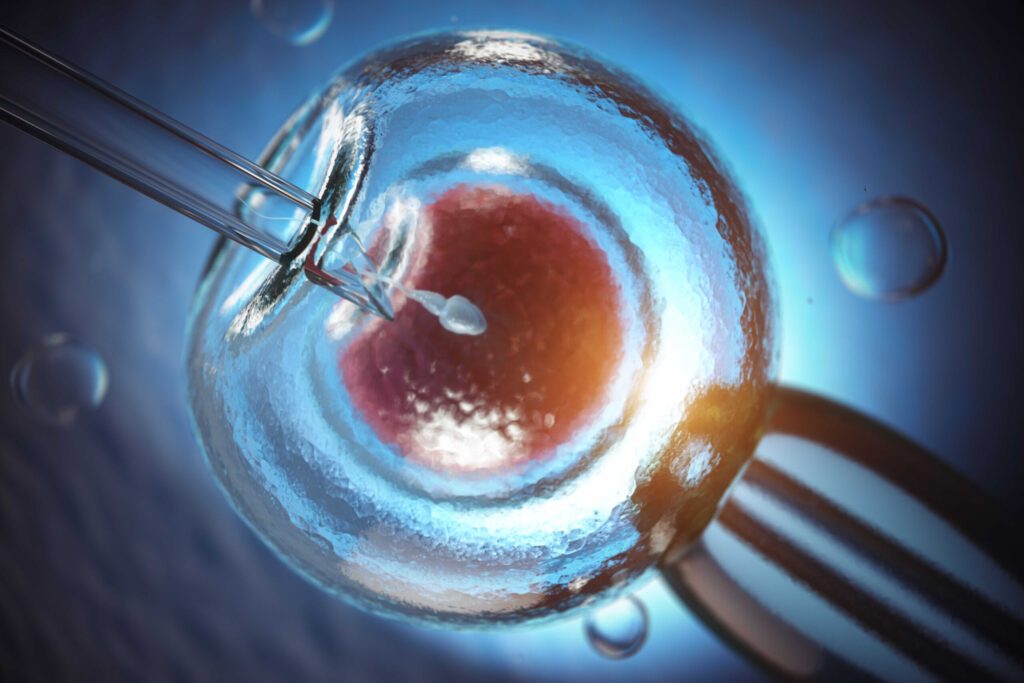
In vitro fertilisation (IVF) is a type of assisted reproductive technology where an egg is fertilised by sperm outside the body, in a laboratory. The resulting embryo is then transferred back into the uterus in the hope of achieving pregnancy.
IVF can be used in a variety of situations, including unexplained infertility, endometriosis, male factor infertility (such as azoospermia), same-sex couples, and individuals using donor sperm or eggs.
Check out our essential IVF guide for answers to many other frequently asked questions about IVF.
How long does the IVF process take?
The cycle of IVF typically takes around 6 to 8 weeks from the start of medication to embryo transfer, though timing can vary depending on your clinic, individual medical needs and whether it’s a fresh or frozen cycle.
Preparing for IVF
Preparing for IVF treatment involves several crucial steps to ensure the best possible outcome. Before embarking on your IVF journey, it’s essential to understand the process and the potential risks and benefits. A thorough medical exam for both partners is necessary to identify any underlying fertility problems. These tests might include blood tests to check hormone levels, ultrasound scans to assess ovarian reserve, and semen analysis to evaluate sperm quality.
Your fertility specialist will play a pivotal role in this phase. They will review your medical history, discuss the IVF process, and outline a personalised treatment plan tailored to your specific needs. This plan will include the type and dosage of fertility medicine you’ll need and the expected outcomes. Understanding these details can help you feel more in control and prepared for the journey ahead.
The IVF process step-by-step
Step 1. Initial consultation and fertility testing (Weeks 0–4)
This is your starting point. After a referral from an NHS or private doctor, you’ll attend an initial consultation appointment with a fertility specialist to review your medical history, discuss the IVF process and treatment options and book in initial tests, which will take place over the course of the coming weeks. These early tests could include:
Blood tests
Blood tests will check your levels of reproductive hormones, including:
Follicle-Stimulating Hormoneis produced by the pituitary gland and plays a crucial role in both male and female reproductive systems. In females,...
- Anti-Mullerian Hormone is produced by the ovaries, the levels of which help signify a woman’s ovarian egg reserve