How Are The Fertility Needs Of Trans & Gender-Diverse People Being Met?

In a world where the focus is on creating equality of opportunity and rights for all individuals, in some areas, it is still lacking.
So, what might be the cause of the perceived inequality when it comes to fertility? Is it down to a lack of funding, research, understanding, knowledge or care? Is it because of the attitudes and beliefs of staff, or the perception of the patients to how they are being treated? It’s likely to be a combination of factors, but it’s something that needs addressing. Society has more recently become increasingly aware of the need for a change of language in order to improve equality, acceptance and integration, but there is further to go.
How are the needs of trans and gender diverse individuals different from others needing fertility treatment?
Anyone undergoing fertility treatment will have experienced an inability to conceive naturally, whether that is through a medical barrier, undiagnosed infertility, lack of a sexual partner or gender diversity.
For most people going through infertility, it is emotionally, physically and financially challenging. For people undergoing surgery, they may also need to consider preserving their fertility for later down the line, when they are ready to start a family. In the case of trans and gender diverse individuals, they may experience all of this, along with the possible judgement stemming from antiquated thinking and prejudice.
It's important that every patient’s psychological and emotional needs as well as their physical and medical ones are taken care of when they are going through surgery or treatment, regardless of their gender or sexual orientation.
Why is there a funding difference for heterosexual couples and other couples?
Although trans gender and gender diverse couples do qualify for some treatments in some areas of the UK, in other areas they don’t. This is due to individual NHS trusts, which can add additional conditions and requirements to those imposed by NICE (National Institute for Health and Care Excellence).
As heterosexual couples could establish their infertility by trying unsuccessfully to get pregnant through sexual intercourse over a given time period (age dependant) so in many cases, single, same sex, gender diverse and trans individuals have been expected to self-fund their cycles of IUI, before being deemed infertile and accessing NHS treatment.
.jpg)
The Royal College of Obstetricians and Gynaecologists, recently created a draft guideline relating to the care of transgender and gender diverse people. The following paragraphs have been taken from the draft guideline document.
“Dr Edward Morris, President of the Royal College of Obstetricians and Gynaecologists, said:
“This is an important guideline which aims to improve the care and experiences of transgender and gender diverse individuals accessing obstetric and gynaecological services.
“Sadly, trans and gender diverse individuals say they often feel judged and misunderstood by the health service. This can act as a barrier for them when it comes to accessing vital care and we as healthcare professionals have a role to play in making them feel listened to...
Login to continue reading
This content is for members only, to read the full article log in to your account.
Forgotten your password? Reset your password here.
Join us today
If you don’t have a membership yet, visit our Join us page.
Would you like your employer to pay for this?
For an obligation free chat to discuss how employer membership to The IFVN would work for your business, please contact us using this enquiry form.
Further reading
-
Fertility Treatments An Introduction to Surrogacy in the UK

-
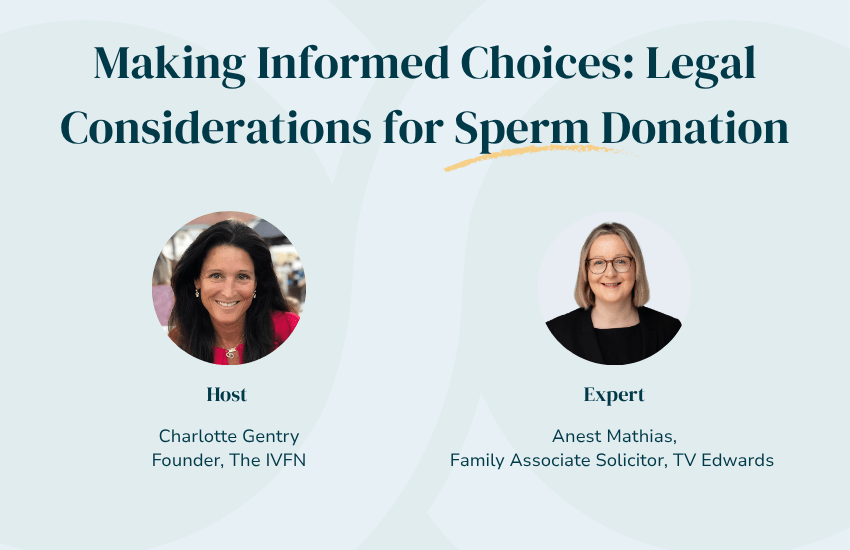
Previous event Ask the Expert – Making Informed Choices: Legal Considerations for Sperm Donation
-
Female Alcohol and Fertility: Does It Affect Your Chances?

-
Female Reproductive immunology – the role of the immune system in fertility treatment

-
Transgender Pregnancy: Will Being Transgender Affect My Chances Of Having a Biological Baby?

-
Surrogacy

-
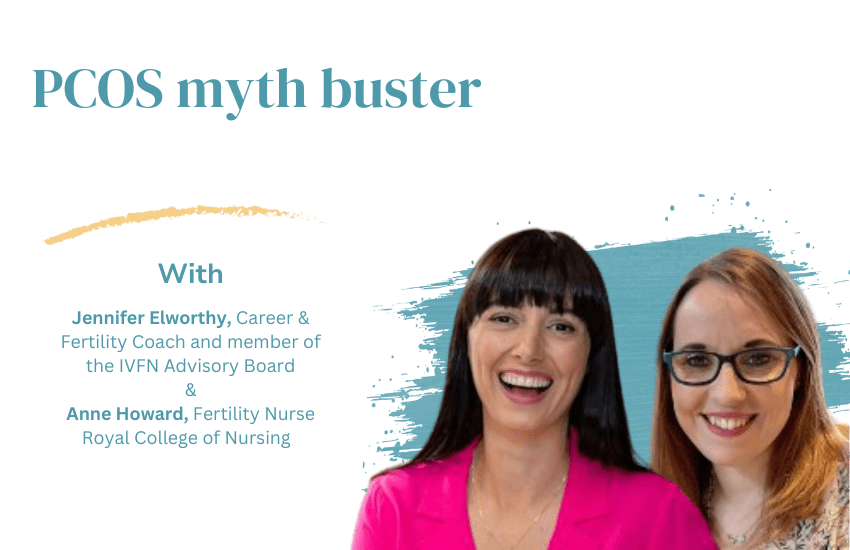
Female PCOS Myth Buster
Become a member
Our membership plans are designed to suit your needs.
Feel empowered by your fertility journey today!