Preparing for IVF: 10 Things to Consider Before Treatment

Having difficulty conceiving and starting IVF (in vitro fertilisation) can be one of the most significant emotional, physical, and financial commitments on your fertility journey.
Whether you’re just beginning to explore assisted conception to get pregnant or are preparing to begin treatment, understanding what lies ahead is essential.
At The IVFN, we believe informed decisions lead to empowered outcomes, and our community and team of experts have countless experiences to draw on.
From clinical preparation to emotional support and everything in between, here are ten key things to consider before you start IVF.
1. Understand the Basics of In Vitro Fertilisation (IVF)
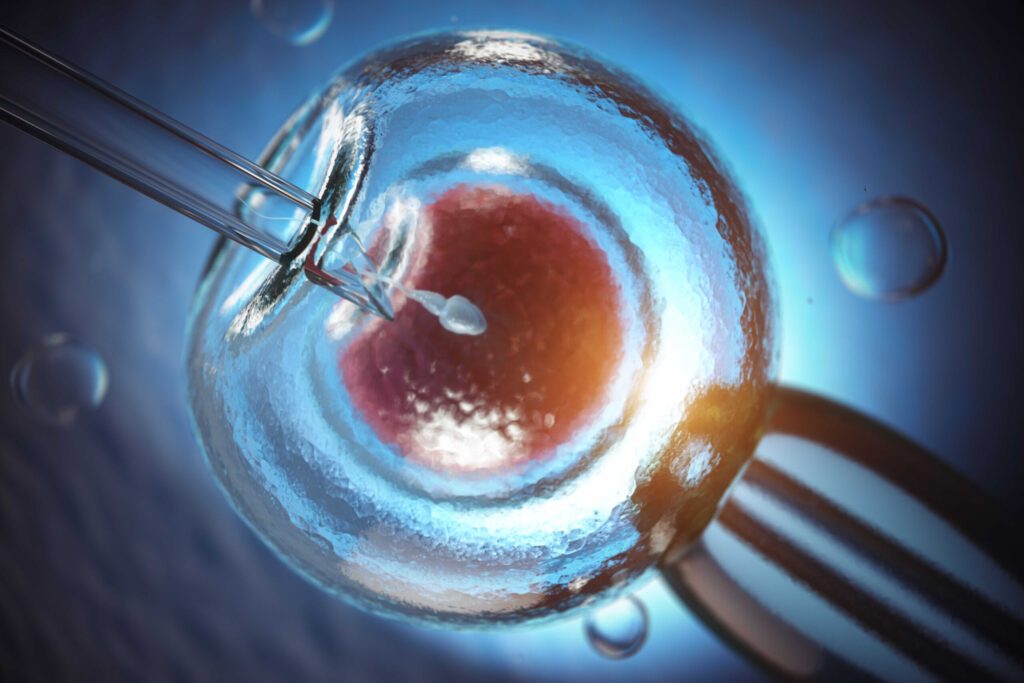
IVF involves several steps as part of assisted reproductive technology. The IVF process typically starts with fertility medicine to stimulate ovulation, helping the ovaries produce eggs. Human chorionic gonadotropin is often used to trigger ovulation before the egg retrieval procedure. During egg retrieval, mature eggs are collected from the ovaries. The egg retrieval procedure is a key step, and only mature eggs can be fertilised to create a fertilised egg that may develop into an embryo.
Fertilisation is performed in the laboratory, sometimes using intracytoplasmic sperm injection (ICSI), especially in cases of male infertility. After fertilisation, either fresh embryos can be transferred to the uterus soon after, known as fresh embryo transfer, or frozen embryos can be stored for later use and transferred after a freezing and thawing process. Not all embryos survive the freezing and thawing process, so understanding this step is important.
Patients may use their own eggs or opt for an egg donor if they cannot produce eggs themselves. Ovarian hyperstimulation syndrome is a potential risk of fertility medications used during IVF.
The treatment can vary depending on personal circumstances, such as age, underlying fertility conditions, or whether donor sperm or eggs are used.
Ask your fertility clinic for a clear breakdown of the process and timeline tailored to you.
For more information, read our guide, which breaks down the treatment process step by step.
2. Finding the Right Fertility Clinic
Choosing the right fertility clinic is a crucial step on your path to getting pregnant. With so many options available, it’s important to do your research and select a clinic that aligns with your needs and values. Start by ensuring the clinic is fully licensed and accredited by reputable organisations, such as the Human Fertilisation and Embryology Authority (HFEA) in the UK. This guarantees that the clinic meets strict standards for safety and quality in fertility treatments.
Success rates are another key factor; look for clinics with strong outcomes in in vitro fertilisation (IVF) and other assisted reproductive technologies. The HFEA website provides transparent data on clinic performance, helping you make an informed choice. Consider the expertise of the clinic’s team, including doctors, nurses, and embryologists, as their experience can make a significant difference in your fertility journey.
Success rates for IVF vary widely depending on factors such as age, embryo quality, and medical history. Success rates for IVF pregnancy...
Login to continue reading
This content is for members only, to read the full article log in to your account.
Forgotten your password? Reset your password here.
Join us today
If you don’t have a membership yet, visit our Join us page.
Would you like your employer to pay for this?
For an obligation free chat to discuss how employer membership to The IFVN would work for your business, please contact us using this enquiry form.
Further reading
-
IVF IVF Two-Week Wait: How to Manage Anxiety and Stress

-
Reproductive health Endometriosis and Infertility Treatment: Does IVF Affect Success Rates?

-
IVF Embryo Grading in IVF: What the Grades Mean for Success Rates
-
Previous event Ask the Expert – Exploring Fertility Options in Turkey
-
Previous event Ask The Expert – IVF and Your Team: Supporting Employees Through Fertility Treatment
-
IVF Ask The Expert: Navigating IVF – Do’s and Don’ts
-
Female Reproductive immunology – the role of the immune system in fertility treatment

Become a member
Our membership plans are designed to suit your needs.
Feel empowered by your fertility journey today!