IVF presents a wonderful opportunity for people to become parents, when they have been unable to conceive naturally. However, there are no guarantees and even when many eggs are harvested, they may not go on to create viable embryos.
What happens after egg collection?
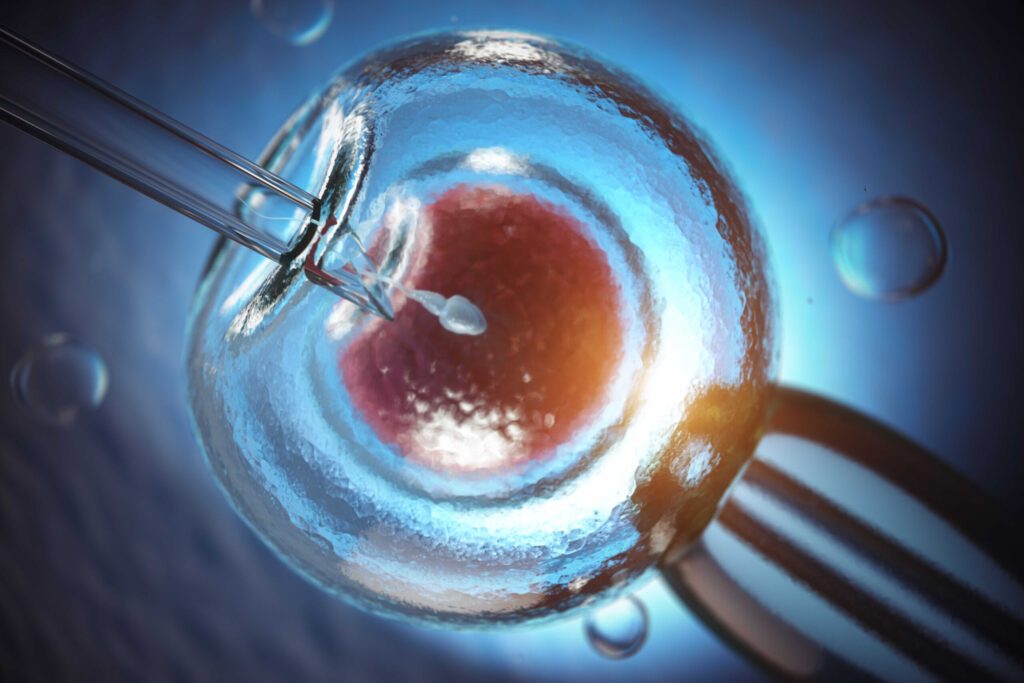
Once the eggs have been harvested, they are washed, then put together with sperm, in a special dish in the lab. In the case of ICSI, a sperm is injected directly into each egg. The dishes are then put into an incubator, to enable fertilisation.
Experts in the lab will check to see if fertilisation takes place and will monitor the development of any embryos. The clinic will keep you informed as to the progress of your eggs and embryos.
Embryos need the best conditions for them to develop and the clinic will try to mimic the conditions of the female reproductive tract.
If, after 5days, there are any viable embryos, you will need to go to the clinic for embryo transfer. Either one or two embryos will be transferred, to reduce the risk of multiple births. The number will depend on how many embryos are available and on your age. A catheter is used to place the embryos directly into the uterus.
How soon after embryo transfer can a pregnancy test be done?
The clinic will invite you in for a pregnancy test at least 7 days after embryo transfer.Their test will give greater accuracy than a home pregnancy test kit. Due to the medication and timing, testing at home may give you either a false positive or a false negative.
What might be the cause of embryo failure?
· Egg quality –older women, using their own eggs, are less likely to have a successful embryo transfer than younger women, or older women using donor eggs from younger women
· Embryo quality before transfer – chromosomal errors or cell division errors may occur, which arrest the development of embryos. This acts as a natural defence mechanism, reducing the number of babies born with chromosomal defects
· Poor conditions in the lab may affect the development of the embryos
· Embryo quality after transfer - the embryo may not implant properly, due to a defect or flaw in the embryo itself, which has not been detectable prior to transfer
How do I know if I’m at risk of producing embryos with chromosomal errors?
Older women(especially women over 40) carry a much greater risk of having embryos with flaws or giving birth to a baby with chromosomal defects.
Your GP or fertility specialist will ask you about your medical history and the medical history of your family, in order to identify potential risk factors.
Genetic testing can be done in advance of IVF treatment, to ascertain from DNA whether there is the presence of a particular gene that may cause a genetic disorder in your unborn children. It usually involves taking a blood sample or tissue sample, but sometimes saliva samples can be used....