Affecting 10% of women and girls of reproductive age, endometriosis can not only be painful and cause physical discomfort, but it can also be mentally and emotionally draining. Endometriosis can also affect fertility and in, in some cases, can cause infertility.
What is endometriosis?
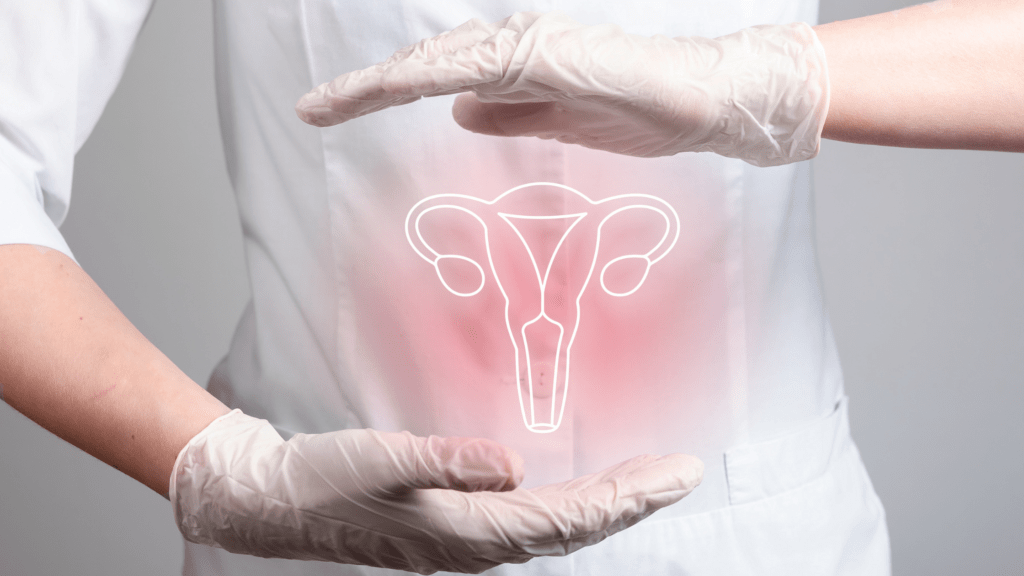
Endometriosis is a chronic gynaecological condition which causes endometriosis tissue, similar to the lining of the uterus (endometrium), to grow outside the uterine cavity. This aberrant growth commonly occurs on the ovaries, fallopian tubes and other areas inside the pelvis.
Each month the cells accumulate. Then, during menstruation, the endometrial tissue out of the uterus sheds too. However, because this tissue is growing out of the womb it has nowhere to go. This causes pain, inflammation and potential scar tissue that can significantly impact a woman’s quality of life.
Types of endometriosis
There are four different types of endometriosis and it’s possible to have more than one type.
-
Peritoneal (superficial) endometriosis is found mainly on the pelvic peritoneum – a thin film that lines the inner surface of the pelvis and surrounds the pelvic organs.
-
Ovarian endometriosis (endometrioma) is when endometriosis cysts are found in the ovaries.
-
Deep endometriosis is found in locations such as the bladder, bowel and recto-vaginal septum (tissue separating the vagina and the rectum). The lesions of endometriosis are at a deeper level than peritoneal (superficial) endometriosis.
-
Extra-pelvic endometriosis - is when endometriosis is found outside of the pelvis, such as the thorax (chest) and caesarean scars.
Is endometriosis common?
Endometriosis affects 10% of women and those assigned female at birth from puberty to menopause, in the United Kingdom that equates to approximately 1.5 million women.
It affects females of all ages and can begin as early as first mensuration and last until women hit menopause, but it primarily affects women between 25 and 40 and is often a long-term condition.
Those who have not yet had children and who have heavier periods are considered to be at greater risk. It is also believed to be genetic, as more than one person in a family will often suffer from the condition.
What causes endometriosis?
The actual cause of endometriosis is unknown. It has been suggested (though not proven) that the condition might be caused by a combination of factors, including:
-
family history
-
a hormonal imbalance
-
menstrual blood flowing back through the fallopian tubes
-
cells spreading via the bloodstream
-
a problem with the immune system
-
environmental factors – research studies have shown that when animals were exposed to high levels of dioxin they developed endometriosis, although this has not yet been proven for humans.
What are common symptoms of endometriosis?
Endometriosis can manifest in a variety of ways, making it a challenging condition to diagnose. The most common symptom is pelvic pain, which can range from mild discomfort to severe pain that disrupts daily activities. This pain often intensifies during the menstrual period, but it can also occur at other times. Women with endometriosis may experience heavy or irregular menstrual periods, which...