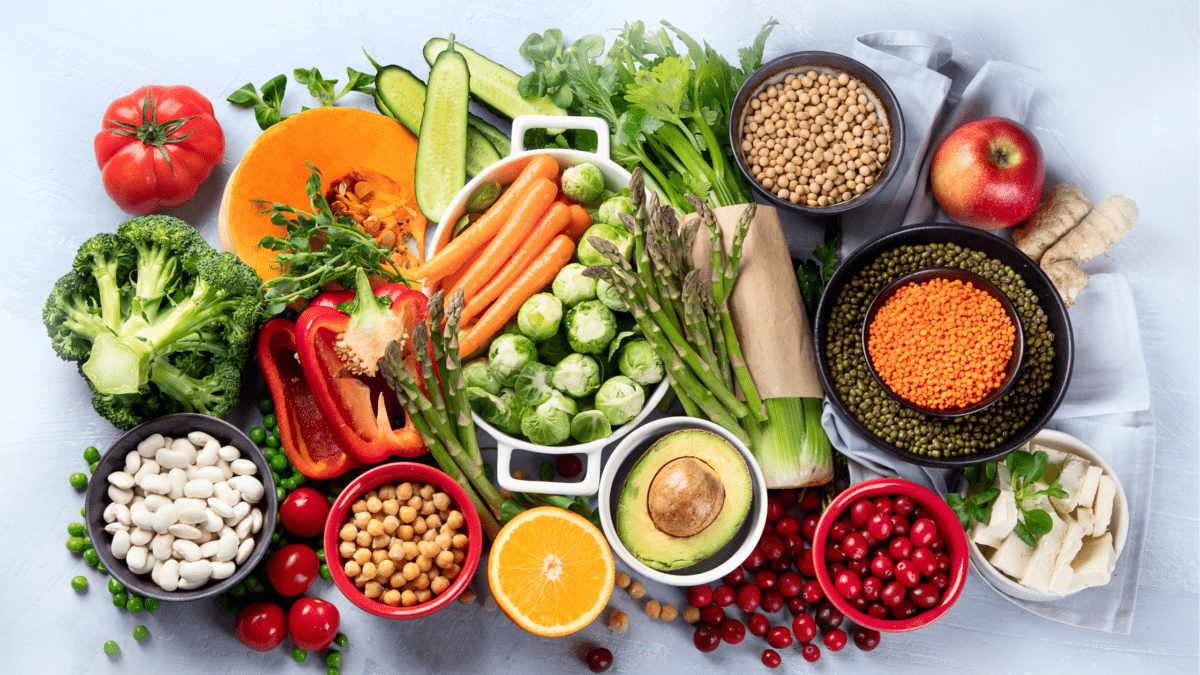
If you're trying to get pregnant, you've probably heard about "fertility superfoods". Those nutrient-packed foods that promise to boost your chances of getting pregnant.
Many sources highlight the best foods for fertility, such as eggs, liver, fruits, vegetables, and fatty fish, for their role in supporting reproductive health.
From goji berries to walnuts, the internet is full of claims about foods that can transform your fertility. But what does the science actually say?
Table of Contents
- What Is a "Superfood"?
- What Nutrients Matter for Fertility?
- Which Fertility Foods Are Beneficial?
- Which "Superfoods" are Overhyped?
- Are There Foods That Harm Fertility?
- What If I'm Vegetarian or Vegan?
- Do I Still Need Supplements If I Eat All These Superfoods?
- Can Superfoods Replace Medical Fertility Treatments?
- Supporting a Lifestyle That Affects Fertility
What Is a "Superfood"?
There's no official definition of "superfood."
It's a marketing term, not a scientific classification.
The food industry loves it because calling something a "superfood" suggests it has almost magical properties, but in reality, no single food can work miracles for your fertility.
That said, certain foods are genuinely rich in nutrients that support reproductive health. The key is understanding which nutrients matter and finding affordable, accessible sources. Not the latest Instagram trend.
Rather than choosing one "superfood" to introduce to your diet, it's better to try a fertility diet. This is a structured approach that emphasises specific foods and lifestyle choices to support reproductive health and increase the chances of conception.
What Nutrients Matter for Fertility?
Before we dive into specific foods, let's talk about what your body actually needs for optimal fertility.
For women: Folate (not just folic acid), omega-3 fatty acids (a type of essential fatty acids), vitamin D, iron, antioxidants like vitamins C and E, and nutrients that support blood sugar regulation.
For men: Omega-3s (essential fatty acids), zinc, selenium, vitamins C and E, and antioxidants that protect sperm quality and motility.
These are all fertility-boosting nutrients that play a crucial role in supporting fertility health by regulating hormones, improving egg and sperm quality, and promoting reproductive well-being. Couples trying to conceive should both focus on a nutrient-rich diet. Male fertility is just as important as female fertility, yet it's often overlooked.
You don't need exotic or expensive foods to get these nutrients.
Eating foods such as leafy greens, eggs, high omega-3 fish, and lean meats is rich in these fertility-boosting nutrients and helps optimise your fertility health.
Many everyday foods available cheaply at your local supermarket are packed with fertility-supporting nutrition. But if you're concerned about getting all the vitamins and minerals you need, a prenatal vitamin can help fill nutritional gaps for those trying to conceive.
Which Fertility Foods Are Beneficial?
Oily Fish for Omega-3
Salmon, mackerel and other oily fish are rich in omega-3 fatty acids. It reduces inflammation and supports hormonal balance. Omega-3 improves egg quality in women and sperm quality in men.
How much? Aim for 2-3 portions of oily fish per week
Practical tip: Canned sardines, mackerel,...