Embryo Transfer

If you are considering going through IVF, then you will have an embryo transfer during the process. It is one of the final stages of IVF and is an important part of the procedure. The success of an IVF cycle is dependent on a successful embryo transfer.
What is an embryo transfer?
An embryo is a fertilised egg, and it is in the early stages of a baby's growth. During the IVF process, eggs will be collected or donated, and sperm will be collected or donated. After the egg and sperm are collected, fertilisation takes place, and an embryo is created. These embryos are either transferred or frozen.
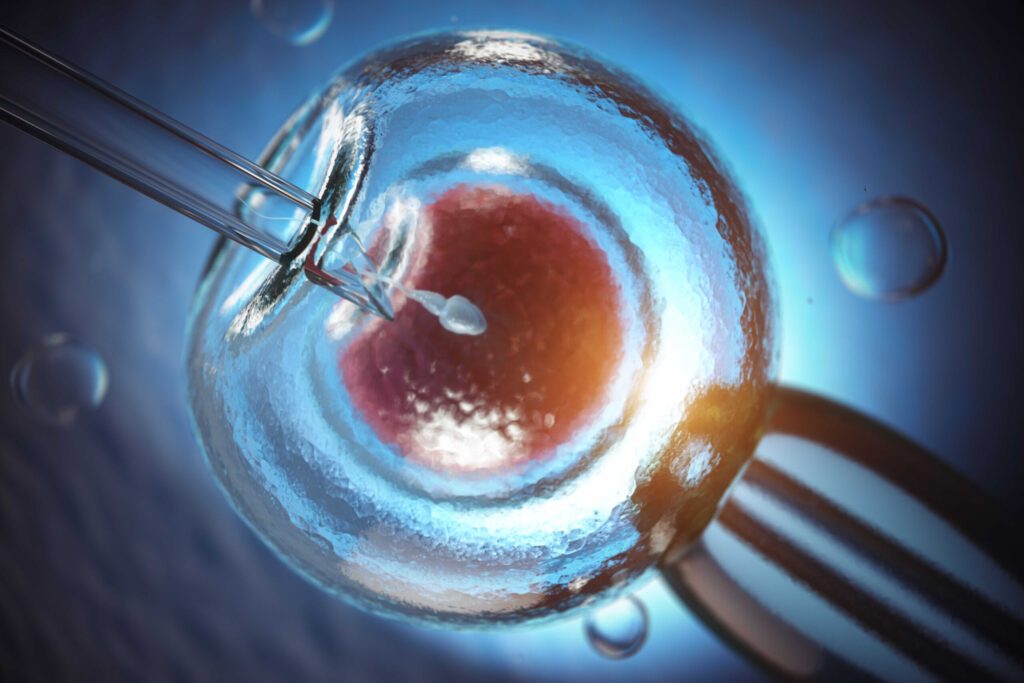
Embryo transfer is when the embryos from IVF or ICSI are placed into the uterus using a narrow catheter. Only the best quality embryos are selected usually to increase the chances of a successful pregnancy. From there, they implant into the uterine lining.
When does the transfer happen?
The transfer procedure happens either 2, 3 or 5 days after the fertilisation. When the transfer procedure happens depends on what type of embryo transfer you are having.
Types of embryo transfer
The type of embryo transfer you have will be discussed with you in advance with your doctor. There are a few factors that affect your options. They include your age, whether your embryos are frozen and the quality of the embryos.
Frozen embryo transfer
Frozen embryo transfer is widely used. It is the process whereby the first stages of fertility treatment are done up to the point of fertilisation: egg collection, sperm collection, and fertilisation. After fertilisation, rather than the embryos being implanted, they are frozen. These frozen embryos can then be used at a later date.
Frozen embryos can be stored for up to 55 years. One of the benefits is that they are retrieved at a younger age. After the age of 35, egg quality drastically decreases, so collecting the eggs or embryo freezing at an early age improves the chances of successful pregnancy.
Routinely, one embryo will be thawed and transferred. This will be discussed with you by your doctor and clinical team. The remaining embryos will be stored until you wish to use them.
Additionally, if it is your first round of IVF, not all embryos are used in one cycle of IVF. If there are many healthy embryos, they can be frozen. The option to freeze any remaining good quality embryos so that they can be used in future IVF cycles or donated will be discussed with your doctor.
Elective single embryo transfer
Elective single embryo transfer is when only one embryo is chosen to be transferred. This is to minimise the risk of a multiple birth which could cause complications to you and your pregnancy. This will be discussed with you at the clinic. In some exceptional cases, more than one embryo can be transferred but this will be decided with you and your medical team.
Blastocyst embryo transfer
A blastocyst embryo transfer is when the...
Login to continue reading
This content is for members only, to read the full article log in to your account.
Forgotten your password? Reset your password here.
Join us today
If you don’t have a membership yet, visit our Join us page.
Would you like your employer to pay for this?
For an obligation free chat to discuss how employer membership to The IFVN would work for your business, please contact us using this enquiry form.
Further reading
-
IVF IVF Two-Week Wait: How to Manage Anxiety and Stress

-
Reproductive health Endometriosis and Infertility Treatment: Does IVF Affect Success Rates?

-
IVF Embryo Grading in IVF: What the Grades Mean for Success Rates
-
Previous event Ask the Expert – Exploring Fertility Options in Turkey
-
Previous event Ask The Expert – IVF and Your Team: Supporting Employees Through Fertility Treatment
-
IVF Ask The Expert: Navigating IVF – Do’s and Don’ts

-
Female Reproductive immunology – the role of the immune system in fertility treatment

Become a member
Our membership plans are designed to suit your needs.
Feel empowered by your fertility journey today!