
When should you start to plan your fertility journey?
The simple answer to this is, the earlier the better.

Reproductive health & wellbeing for everybody
Explore the complexities of female fertility challenges and prognosis and gain insights into the various factors affecting women’s fertility.
The simple answer to this is, the earlier the better.

There are lots of different reasons why people feel there is a stigma attached to talking about fertility issues, we explore them in this blog.

Some professionals have pointed out that if it is not impossible for women to get pregnant naturally in their 50s, that women in their 50s should not be denied the opportunity to have IVF or other fertility treatment.

Many women are having babies later in life than their parents or grandparents did. In many cases, their expectations are higher and more choices are open to them, due to a change in society’s perceptions and advances in medical science.

There has been an increase in the number of single people choosing IVF or other ART (Assisted Reproductive Technology) options, in order to start their family.

Every individual is different and you should also seek advice from your GP or fertility specialist, to see when it is safest to try again from a medical perspective, with your own particular circumstances. Read more…

Many couples and individuals turn to IVF if infertility issues, or personal circumstances, have prevented them from falling pregnant through natural conception. For lots of people, they only discover their fertility problems when they first start trying for a baby and it can be devastating news. It then brings up lots more questions about options, which often have financial implications too.Here at the IVF Network, we are keen to provide you with the information that you’ll need, in order to make more informed choices, for your finances and well-being and to avoid additional stress or anxiety.

While it’s unlikely that stress alone can cause infertility, there are many studies to suggest that it can have a negative impact. Yet trying to tell someone who is struggling with infertility to ‘just relax,’ or that stress will decrease their chances of getting pregnant, is actually more likely to increase their anxiety and stress levels!

When a baby girl is born, she has all of the eggs that she will ever have. Once she reaches puberty and her menstrual periods begin, her egg supply will gradually start to diminish each month, until she reaches the menopause.
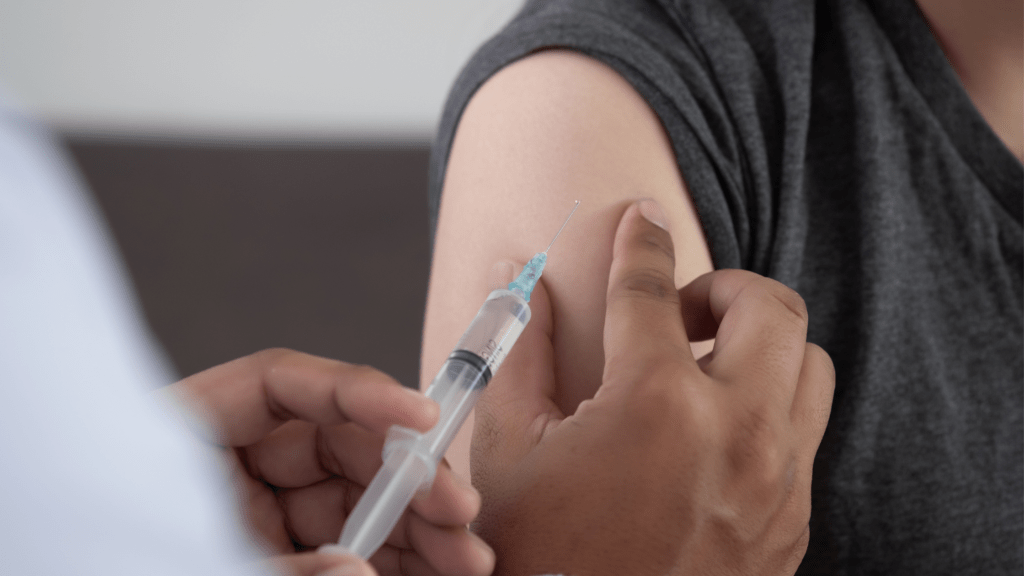
A new review of data by the UK’s health regulator shows that COVID-19 jabs don’t affect fertility, or the chance of a healthy baby.Vaccine ‘hesitancy’ is a totally understandable response among couples wanting to get pregnant. And that includes those who’ve started or are beginning their IVF journey, whether that’s IVF with ICSI or other techniques.

For many individuals and couples, IVF brings a successful outcome, but it is a challenging procedure in itself and it’s important to be mentally and physically prepared for the challenges.
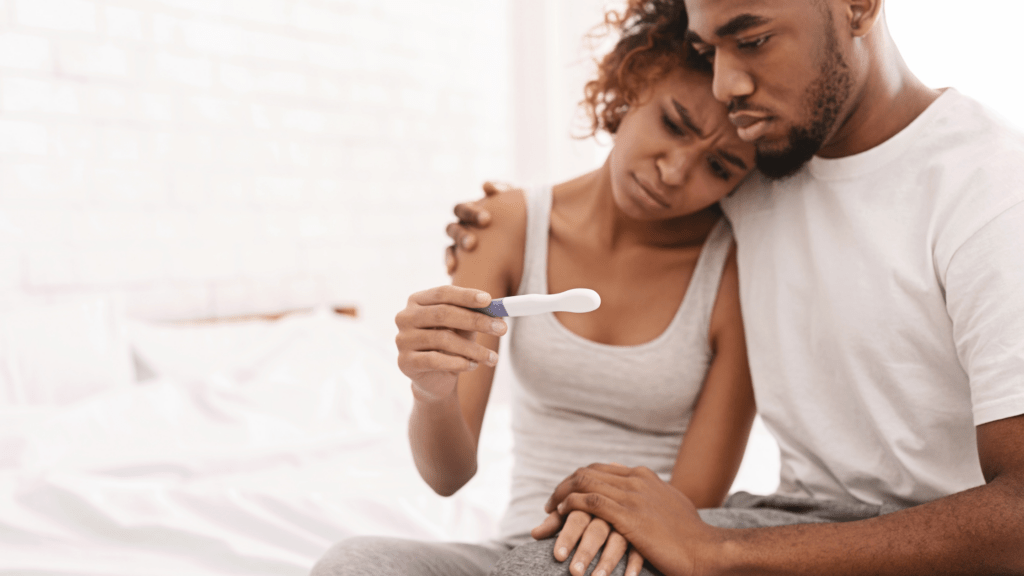
Around 15 – 20 percent of couples trying to conceive will have trouble with fertility, so if you are experiencing difficulty with getting pregnant, you are not alone. If you are in the early stages of trying for a baby, it may just be that you need longer to identify your ovulation pattern, so you can predict more accurately when to try to conceive. (See our earlier blog post: When are my most fertile days)